When someone is struggling with drug or alcohol addiction, one of the first questions they or their loved ones often ask is: How long does drug and alcohol rehab really take? It is a reasonable concern, especially for individuals balancing recovery with family responsibilities, work commitments, financial considerations, and other aspects of everyday life.
The truth is that there is no single timeline for addiction treatment. Some people begin their recovery journey with several days of medical detox, while others benefit from 30, 60, or 90 days of structured rehabilitation. For some individuals, ongoing outpatient treatment, therapy, and recovery support may continue for months or even years.
The length of drug and alcohol rehab depends on several factors, including the substance involved, the severity of the addiction, physical and mental health conditions, and how a person responds to treatment.
At West Coast Detox, individuals can explore treatment options designed to address their unique recovery needs. Understanding the different stages of addiction treatment can help individuals and families make informed decisions and develop realistic expectations about the recovery process.
Understanding the Typical Length of Drug and Alcohol Rehab
Drug and alcohol rehabilitation is not a one-size-fits-all process. Treatment programs are designed around individual needs, and the appropriate length of care can vary significantly.
However, many addiction treatment programs follow several commonly used timeframes.
30-Day Rehab Programs
A 30-day rehab program is often considered an introductory level of residential addiction treatment. It provides individuals with an opportunity to step away from environments and routines that may contribute to substance use and focus on their recovery.
During a 30-day program, individuals may participate in:
- Medical detoxification when clinically necessary
- Individual counseling and behavioral therapy
- Group therapy and peer support
- Addiction education and relapse prevention
- Healthy lifestyle and wellness activities
- Initial aftercare and discharge planning
A 30-day program can help individuals establish a foundation for sobriety, understand their addiction triggers, and begin developing healthier coping strategies.
However, 30 days may not be sufficient for everyone. Individuals with long-term substance use disorders, repeated relapses, or co-occurring mental health conditions may benefit from a longer treatment period.
60-Day Rehab Programs
A 60-day rehab program provides additional time to work through the physical, psychological, and behavioral aspects of addiction.
While the first few weeks of treatment may focus on stabilization and understanding substance use patterns, an extended program allows individuals to explore deeper emotional challenges and practice healthier responses to everyday stress.
During this period, treatment may involve:
- Continued individual and group therapy
- Cognitive Behavioral Therapy (CBT)
- Identifying emotional and environmental triggers
- Developing effective stress management techniques
- Addressing underlying trauma when appropriate
- Strengthening communication and relationship skills
- Preparing for life after residential treatment
The additional time can be particularly beneficial for people who need more support establishing healthy routines and building confidence in their recovery.
90-Day Rehab Programs
A 90-day rehab program offers a longer period of structured treatment and support. It may be recommended for individuals experiencing severe addiction, repeated relapses, or significant challenges maintaining sobriety outside a treatment environment.
Longer treatment gives individuals more opportunities to practice recovery skills, recognize unhealthy patterns, and develop sustainable lifestyle changes.
A 90-day program may include continued behavioral therapy, relapse prevention planning, family involvement when appropriate, and preparation for transitioning into outpatient care or other recovery support services.
Research has consistently demonstrated that longer engagement in treatment is often associated with better recovery outcomes. However, the right treatment duration depends on individual circumstances rather than a specific number of days.
How Long Does Medical Detox Take?
Medical detox is often the first stage of treatment for individuals who are physically dependent on drugs or alcohol.
During detoxification, the body begins eliminating substances while medical professionals monitor withdrawal symptoms and provide appropriate care.
The length of detox depends on the substance used, how long the individual has been using it, the amount consumed, and overall health.
In many cases, medical detox lasts approximately three to seven days. However, certain substances and more complicated withdrawal experiences may require additional monitoring and treatment.

Here is a general overview:
Alcohol: Alcohol withdrawal symptoms may begin within six to 24 hours after the last drink. Acute withdrawal commonly improves within several days, although some symptoms can last longer. Severe alcohol withdrawal can be life-threatening and requires medical supervision.
Opioids: Withdrawal from short-acting opioids may last approximately five to 10 days. Symptoms associated with longer-acting opioids, including methadone, may persist for longer.
Benzodiazepines: Withdrawal timelines vary significantly depending on the medication, dosage, and duration of use. Symptoms may last weeks or longer, and medically supervised gradual tapering may be necessary to reduce the risk of dangerous complications.
Cocaine and other stimulants: Acute withdrawal symptoms may improve within several days to a week, but depression, fatigue, sleep disturbances, and cravings can continue for longer.
It is important to understand that completing detox does not mean addiction treatment is finished.
Detox primarily addresses physical dependence and withdrawal. It does not fully address the emotional, psychological, and behavioral factors that contribute to substance use.
For this reason, continuing into an appropriate addiction treatment program is an important part of building a stronger foundation for long-term recovery.
Factors That Influence How Long Rehab Takes
Several factors determine how long someone may need professional addiction treatment. Understanding these considerations can help individuals and families develop realistic expectations.
1. Type of Substance Used
Different substances affect the brain and body in different ways.
For example, alcohol, opioids, benzodiazepines, stimulants, and prescription medications can produce different withdrawal symptoms and recovery challenges.
Some substances may require more extensive medical supervision, while others may create persistent psychological cravings that need ongoing therapeutic support.
The substance involved is therefore an important consideration when determining an appropriate treatment timeline.
2. Severity and Duration of Addiction
Individuals who have struggled with addiction for many years may require more time and support than those with a shorter history of substance use.
Long-term substance use can affect physical health, emotional well-being, relationships, and everyday functioning.
People who have experienced multiple relapses may also benefit from extended treatment that addresses the circumstances and behaviors contributing to previous setbacks.
3. Physical and Mental Health Conditions
Addiction frequently occurs alongside other health challenges.
Some individuals experience depression, anxiety, post-traumatic stress disorder (PTSD), or other mental health conditions alongside substance use disorders.
When these conditions occur together, they are known as co-occurring disorders.
Treatment may need to address both conditions simultaneously to support meaningful progress.
Physical health concerns, including liver disease, cardiovascular problems, and nutritional deficiencies, can also influence the pace and structure of recovery.
4. Previous Treatment and Relapse History
Someone who has previously attended rehab may need a different treatment approach based on their past experiences.
For example, an individual who completed a short program but returned to substance use may benefit from a longer treatment period, additional therapy, or a more comprehensive aftercare plan.
Relapse does not mean recovery is impossible. Instead, it can provide important information about which areas of treatment may need additional attention.
5. Personal Progress and Recovery Goals
Recovery is a gradual process, and everyone progresses differently.
Some individuals may develop healthy coping skills relatively quickly, while others need additional time to address trauma, rebuild relationships, manage cravings, and establish healthier routines.
Treatment decisions should consider clinical progress, personal circumstances, and ongoing support needs rather than relying exclusively on a predetermined discharge date.

What Happens During Drug and Alcohol Rehab?
Understanding what happens during rehabilitation can help reduce uncertainty for individuals considering treatment.
Although specific services vary by facility and treatment plan, most comprehensive programs include several important components.
Medical Assessment and Treatment Planning
The recovery process typically begins with a professional assessment.
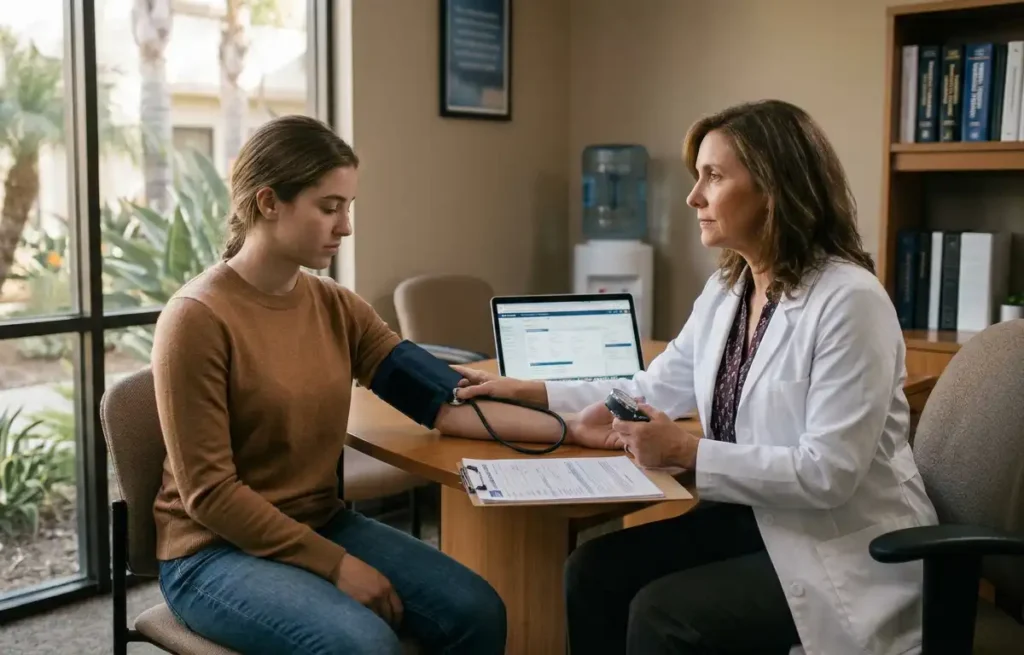
Medical and clinical staff evaluate substance use history, physical health, mental health, withdrawal risks, and previous treatment experiences.
This information helps determine the appropriate level of care and establish individualized treatment goals.
Individual Therapy
Individual counseling provides a private setting where people can explore the underlying factors contributing to addiction.
Therapists may use evidence-based approaches such as Cognitive Behavioral Therapy (CBT) to help individuals recognize negative thought patterns, identify triggers, and develop healthier responses.
Therapy can also address unresolved emotional challenges, relationship difficulties, and experiences that may contribute to substance use.
Group Therapy
Group therapy allows individuals to connect with others who understand the challenges of addiction and recovery.
Participants can share experiences, learn from one another, develop communication skills, and build a sense of accountability.
Having a supportive environment can help reduce feelings of isolation and remind individuals that they are not alone in their recovery journey.
Relapse Prevention Planning
Learning how to recognize and respond to potential relapse triggers is an important part of rehabilitation.
Individuals work on identifying situations, emotions, relationships, and environmental factors that may increase their risk of returning to substance use.
They also develop practical strategies for managing cravings, handling stressful situations, and seeking help when challenges arise.
Healthy Lifestyle Development
Addiction can disrupt many aspects of everyday life, including sleep, nutrition, physical activity, and personal relationships.
Rehabilitation encourages healthier routines that support overall well-being.
Depending on the treatment program, individuals may participate in wellness activities, mindfulness practices, recreational activities, and other therapeutic experiences.
These activities can help individuals reconnect with healthy interests and develop a more balanced lifestyle.
Get Your Questions Answered
Reach out today to get the answers you need about drug and alcohol detox. Our compassionate team is here to guide you through every step of the process and help you take the first step toward recovery.
Is a Longer Rehab Program Always Better?
Longer treatment can provide additional opportunities to develop recovery skills, but the longest program is not automatically the best option for every individual.
The most appropriate treatment duration depends on clinical needs, treatment progress, and the level of support required.
For example, someone with a relatively short history of substance use and strong support systems may benefit from a different treatment timeline than someone experiencing severe alcohol dependence, repeated opioid relapses, or co-occurring mental health conditions.
The goal is not simply to complete a certain number of days in rehab. It is to develop the knowledge, skills, and support systems necessary to maintain recovery after treatment.
A personalized treatment plan should be reviewed regularly so that the level and duration of care can be adjusted as circumstances change.
What Happens After Completing Rehab?
Completing a residential or inpatient rehabilitation program is an important milestone, but recovery does not end when someone leaves the treatment facility.
Returning to everyday life can introduce new challenges, including work responsibilities, family pressures, social situations, and exposure to previous substance use triggers.
This is why continuing care and aftercare planning are essential.
Depending on individual needs, aftercare may include:
Outpatient therapy: Individuals continue attending counseling sessions while gradually returning to their everyday responsibilities.
Intensive outpatient programs (IOP): These programs provide structured treatment and therapy several days a week while allowing individuals to live outside a residential facility.
Support groups: Groups such as Alcoholics Anonymous (AA), Narcotics Anonymous (NA), and other peer recovery communities provide opportunities to connect with people who share similar experiences.
Medication management: Some individuals benefit from medications that help manage cravings, reduce withdrawal-related complications, or treat co-occurring conditions. These medications should be prescribed and monitored by qualified healthcare professionals.
Family counseling: Addiction can affect entire families. Counseling can help rebuild trust, improve communication, and establish healthier boundaries.
Ongoing relapse prevention: Regularly reviewing recovery goals, recognizing warning signs, and maintaining healthy routines can help individuals navigate challenges after treatment.
For many people, recovery is a lifelong commitment that continues well beyond their initial rehabilitation program.
How Do You Know When You Are Ready to Leave Rehab?
Deciding when to leave treatment should involve careful consideration and guidance from the clinical team.
Although individual circumstances vary, several signs may indicate that someone is making meaningful progress.

These include:
- Demonstrating a better understanding of addiction and personal triggers
- Developing healthier coping and stress management strategies
- Participating consistently in therapy and treatment activities
- Having a practical relapse prevention plan
- Understanding how to seek support during difficult situations
- Making progress toward individualized recovery goals
- Having an appropriate continuing care plan in place
It is also important to recognize that completing rehab does not mean someone will never experience cravings or difficult emotions again.
Recovery involves learning how to respond to these experiences without returning to substance use.
The decision to transition out of residential treatment should be based on clinical recommendations and an appropriate assessment of the individual’s ongoing needs.
Choosing the Right Drug and Alcohol Rehab Center in Corona, CA
Choosing an addiction treatment facility is an important decision that can influence the recovery experience.
Individuals and families should look beyond advertised program lengths and consider the quality of care, available services, clinical approach, and level of individualized support.
When researching a drug and alcohol rehab center in Corona, CA, consider asking the following questions:
- Does the facility provide medically supervised detox when appropriate?
- Are treatment plans customized to individual needs?
- What types of behavioral therapies are available?
- Does the program address co-occurring mental health conditions?
- What medical and clinical professionals are involved in treatment?
- Are family members included when appropriate?
- What continuing care and aftercare services are available?
- Can the treatment duration be adjusted based on individual progress?
A supportive treatment environment can make it easier for individuals to focus on their recovery and develop healthier habits.
At West Coast Detox, individuals seeking help for drug and alcohol addiction can explore professional treatment options in a luxury setting in Corona, California.
The recovery journey looks different for everyone. Having access to appropriate care, professional guidance, and a supportive treatment environment can help individuals take meaningful steps toward a healthier future.
Frequently Asked Questions About the Length of Drug and Alcohol Rehab
Is 30 days enough to overcome drug or alcohol addiction?
A 30-day rehab program can provide an important foundation for recovery, but it may not be enough for everyone. Individuals with severe substance use disorders, repeated relapses, or co-occurring mental health conditions may benefit from 60 or 90 days of treatment, followed by continuing care.
Can drug and alcohol rehab last longer than 90 days?
Yes. Some individuals benefit from extended residential treatment, outpatient care, or ongoing recovery support beyond 90 days. Treatment duration depends on clinical needs, progress, and the appropriate level of care.
Does medical detox count as part of the rehab timeline?
Medical detox is generally considered the initial stage of addiction treatment. Depending on the facility and program structure, detox days may or may not be included in the advertised residential treatment duration. It is best to ask the treatment provider how its program is structured.
Can I continue working while attending rehab?
It depends on the type of treatment program. Residential rehab generally requires individuals to stay at the facility, making it difficult to maintain regular work responsibilities. Outpatient programs offer greater scheduling flexibility and may allow individuals to continue working while receiving treatment.
What happens if someone relapses after completing rehab?
Relapse does not mean recovery has failed. It may indicate that additional treatment, clinical assessment, or recovery support is needed. Individuals should seek professional guidance as soon as possible to reassess their treatment plan and address any immediate safety concerns.
How do I know which rehab duration is right for me?
The best way to determine an appropriate treatment duration is through a professional assessment. Medical and clinical professionals can evaluate substance use history, withdrawal risks, physical and mental health, and previous treatment experiences before recommending an individualized plan.
Take the First Step Toward Lasting Recovery
So, how long does drug and alcohol rehab really take? The answer depends on the individual. Some people may begin with a few days of medical detox followed by a 30-day treatment program, while others may benefit from 60 or 90 days of structured care and continued support afterward.
What matters most is receiving the appropriate level of treatment and allowing enough time to address the physical, emotional, and behavioral challenges associated with addiction.
Recovery is not a race, and there is no universal deadline for healing. Every step toward understanding addiction, developing healthier coping skills, and building a supportive recovery network is meaningful.

If you or someone you love is struggling with substance use, West Coast Detox can help you explore drug and alcohol treatment options in Corona, CA. Reaching out for professional guidance can be the beginning of a healthier, more fulfilling life free from the cycle of addiction.