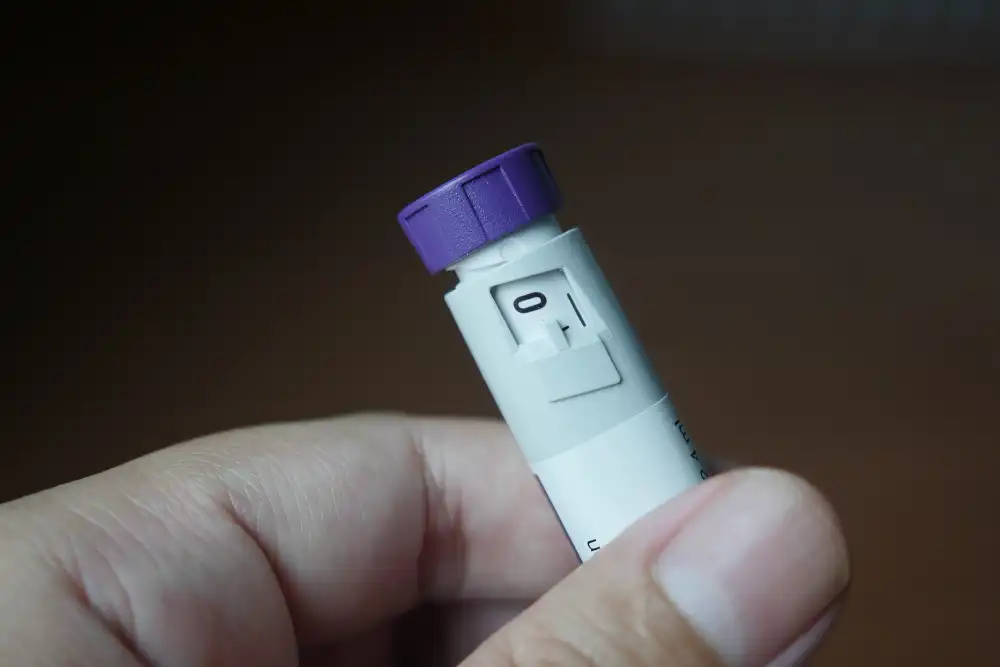
Over the past few years, GLP-1 medications have become some of the most talked-about prescription drugs in the world. Originally developed to help individuals manage type 2 diabetes, medications such as Ozempic, Wegovy, Mounjaro, and Zepbound have gained widespread attention for their effectiveness in promoting weight loss. However, researchers are now exploring another fascinating possibility: the role GLP-1 medications may play in addiction recovery.
While these medications are not currently approved by the U.S. Food and Drug Administration (FDA) as treatments for substance use disorders, emerging research suggests they may influence some of the same brain pathways involved in addiction, cravings, reward, and compulsive behavior. As a result, addiction professionals, researchers, and individuals in recovery are increasingly interested in understanding how GLP-1 medications might fit into the future of addiction treatment.
At West Coast Detox, located in sunny Southern California, we believe in educating clients about new developments in addiction medicine while maintaining a focus on evidence-based treatment. As a pet-friendly and couples-friendly program that allows laptops and cell phones during residential rehab, we help clients stay connected to their lives while receiving the support they need to begin recovery. Understanding emerging topics like GLP-1 medications can help individuals make informed decisions about their health and recovery journey.
What Are GLP-1 Medications?
GLP-1 stands for glucagon-like peptide-1, a naturally occurring hormone produced in the digestive system. This hormone helps regulate several important functions in the body, including:
- Blood sugar control
- Insulin release
- Appetite regulation
- Digestion
- Feelings of fullness
GLP-1 medications mimic the effects of this hormone and help individuals feel full longer while reducing appetite.
Some of the most well-known GLP-1 medications include:
- Ozempic (semaglutide)
- Wegovy (semaglutide)
- Mounjaro (tirzepatide)
- Zepbound (tirzepatide)
- Rybelsus (semaglutide)
These medications have become extremely popular for diabetes management and weight loss, but researchers are discovering that their effects may extend far beyond appetite control.
Why Researchers Are Studying GLP-1s and Addiction
Addiction affects many of the brain’s reward and motivation systems. Substances such as alcohol, opioids, cocaine, methamphetamine, and nicotine influence dopamine pathways that reinforce pleasurable experiences and drive repeated behavior.
Interestingly, researchers have found that GLP-1 receptors are present not only in the digestive system but also in areas of the brain involved in:
- Reward processing
- Motivation
- Impulse control
- Craving regulation
This discovery has led scientists to investigate whether GLP-1 medications might help reduce addictive behaviors by influencing these neurological pathways.
While the research is still developing, early findings have generated significant interest within the addiction treatment community.

How Addiction Affects the Brain
To understand why GLP-1 medications may be relevant to addiction recovery, it helps to understand how addiction changes the brain.
Repeated substance use can alter:
- Dopamine signaling
- Stress responses
- Reward sensitivity
- Decision-making processes
- Impulse control mechanisms
Over time, the brain begins prioritizing substance use above many other rewarding experiences. Activities that once brought joy may become less satisfying compared to drug or alcohol use.
Cravings can become powerful and difficult to resist, even when individuals genuinely want to stop using substances.
Researchers believe GLP-1 medications may help regulate some of these disrupted pathways.
What Current Research Suggests
Although more studies are needed, several early investigations have produced promising results.
Researchers have observed that GLP-1 medications may:
- Reduce alcohol consumption in some individuals
- Decrease cravings
- Reduce reward responses associated with substances
- Lower compulsive behaviors
- Influence decision-making related to substance use
Some individuals taking GLP-1 medications for weight loss have reported unexpected reductions in:
- Alcohol use
- Nicotine use
- Food cravings
- Impulsive behaviors
While these observations do not prove effectiveness as addiction treatment, they have encouraged further scientific investigation.
GLP-1s and Alcohol Use Disorder
One area receiving considerable attention is alcohol use disorder.
Alcohol addiction often involves intense cravings and compulsive drinking patterns that can be difficult to overcome.
Some researchers believe GLP-1 medications may help by:
- Reducing alcohol cravings
- Decreasing the rewarding effects of alcohol
- Lowering overall consumption
Several studies are currently exploring whether GLP-1 medications may eventually become a useful adjunct treatment for alcohol addiction.
It is important to note that research remains ongoing, and these medications are not yet approved specifically for treating alcohol use disorder.
GLP-1s and Opioid Addiction
Researchers are also investigating potential applications for opioid use disorder.
Opioid addiction remains a major public health concern due to the ongoing fentanyl crisis and overdose epidemic.
Scientists are exploring whether GLP-1 medications may help:
- Reduce cravings
- Improve impulse control
- Support treatment retention
- Decrease reward-seeking behavior
However, opioid addiction treatment currently relies on evidence-based approaches such as medication-assisted treatment (MAT), behavioral therapy, counseling, and comprehensive recovery support.
GLP-1s and Nicotine Addiction
Smoking cessation remains challenging for many individuals because nicotine strongly affects the brain’s reward system.
Some early studies suggest GLP-1 medications may influence nicotine-related cravings and smoking behaviors.
Researchers continue to investigate whether these medications may someday become useful tools in smoking cessation programs.
For now, established treatments such as nicotine replacement therapy, counseling, and behavioral interventions remain the standard of care.
Could GLP-1 Medications Reduce Cravings?
Perhaps the most exciting area of research involves cravings.
Cravings are one of the primary drivers of relapse and can persist long after detoxification is complete.
Many people in recovery describe cravings as:
- Intrusive
- Intense
- Emotionally draining
- Difficult to manage
Some scientists believe GLP-1 medications may help reduce the intensity of cravings by altering reward pathways in the brain.
If future research confirms these effects, GLP-1 medications could become valuable additions to addiction treatment plans.
Get Your Questions Answered
Reach out today to get the answers you need about drug and alcohol detox. Our compassionate team is here to guide you through every step of the process and help you take the first step toward recovery.
Why Detox and Therapy Still Matter
Even if GLP-1 medications ultimately prove beneficial for addiction treatment, they are unlikely to replace comprehensive recovery programs.
Addiction involves much more than physical cravings.
Successful recovery often requires addressing:
- Trauma
- Mental health conditions
- Relationship issues
- Stress management
- Emotional regulation
- Behavioral patterns
At West Coast Detox, treatment focuses on helping clients understand and address the underlying causes of addiction rather than simply eliminating symptoms.
Medication may support recovery, but meaningful healing often requires personal growth and behavioral change.
The Importance of Individualized Care
Every individual experiences addiction differently.
Factors that influence recovery include:
- Genetics
- Mental health
- Trauma history
- Family dynamics
- Physical health
- Substance use patterns
As a result, no single medication or treatment approach works for everyone.
At West Coast Detox, treatment plans are tailored to each client’s unique needs and circumstances. Whether someone benefits from medication-assisted treatment, therapy, holistic approaches, or a combination of interventions, individualized care remains essential.
The Role of Mental Health in Recovery
Many individuals struggling with substance use disorders also experience co-occurring mental health conditions.
Common examples include:
- Anxiety disorders
- Depression
- PTSD
- Bipolar disorder
- Panic disorder
These conditions often contribute to substance use and can increase relapse risk if left untreated.
Comprehensive recovery requires addressing both addiction and mental health simultaneously.
Emerging medications may offer additional tools, but therapy and psychological support remain central components of successful treatment.
Recovery Is About More Than Medication
One of the biggest misconceptions about addiction treatment is that recovery can be achieved through medication alone.
While medications may help reduce cravings or stabilize brain chemistry, they cannot teach:
- Healthy coping skills
- Communication strategies
- Emotional resilience
- Relationship repair
- Stress management
Recovery is ultimately about building a healthier and more fulfilling life.
The most successful treatment plans combine medical support with behavioral, emotional, and social interventions.

Staying Connected During Treatment
Many professionals and working adults hesitate to enter treatment because they fear becoming disconnected from important responsibilities.
West Coast Detox takes a modern approach by allowing clients to use laptops and cell phones during residential treatment.
This flexibility enables individuals to:
- Stay connected with family
- Manage important business matters
- Maintain communication with professional contacts
- Reduce anxiety about stepping away from daily life
By remaining connected while focusing on recovery, clients often feel more comfortable committing to treatment.
Couples Recovery and Shared Healing
As a couples-friendly program, West Coast Detox recognizes that addiction often impacts romantic relationships.
Many couples struggle with:
- Trust issues
- Communication difficulties
- Codependency
- Shared substance use patterns
Recovery can become an opportunity to rebuild healthier relationships while supporting one another through the healing process.
Couples who engage in treatment together often develop stronger communication skills and healthier relationship dynamics.
The Benefits of a Pet-Friendly Recovery Environment
Pets can play a meaningful role in emotional well-being and recovery.
As a pet-friendly treatment center, West Coast Detox understands that many individuals find comfort, stability, and emotional support through their relationship with animals.
Pets can help reduce:
- Stress
- Anxiety
- Loneliness
- Feelings of isolation
For many clients, having access to their pet makes the recovery experience more comfortable and emotionally supportive.
Southern California and Healing
The environment where recovery begins can significantly influence treatment outcomes.
Located in sunny Southern California, West Coast Detox provides a peaceful setting that promotes relaxation and healing.
The region’s natural beauty, mild climate, and outdoor lifestyle offer opportunities for:
- Stress reduction
- Physical activity
- Reflection
- Emotional renewal
A supportive environment can help individuals focus more fully on recovery while developing healthier habits for the future.
Looking Ahead
The connection between GLP-1 medications and addiction recovery remains one of the most exciting areas of addiction research today.
While much remains to be learned, early findings suggest these medications may eventually play a role in helping some individuals manage cravings and reduce compulsive substance use behaviors.
However, addiction is a complex condition that requires comprehensive treatment. Medications alone are unlikely to replace the importance of detoxification, therapy, emotional healing, relapse prevention planning, and long-term recovery support.

Final Thoughts
GLP-1 medications such as Ozempic, Wegovy, Mounjaro, and Zepbound have transformed the treatment landscape for diabetes and weight management, and researchers are now exploring their potential role in addiction recovery. Early findings suggest these medications may influence reward pathways, cravings, and compulsive behaviors, making them an intriguing area of study for alcohol and drug addiction treatment.
At West Coast Detox in sunny Southern California, we remain committed to providing evidence-based care while staying informed about emerging developments in addiction medicine. As a pet-friendly and couples-friendly program that allows laptops and cell phones during residential rehab, we help clients build strong foundations for lasting recovery while remaining connected to the people and responsibilities that matter most.
While the future role of GLP-1 medications continues to evolve, one thing remains clear: successful recovery involves much more than managing cravings. It requires healing the mind, body, and spirit while creating a meaningful life that supports long-term sobriety and wellness.