
Alcohol use impacts far more than internal organs and mental health—it can leave visible, lasting effects on the face and skin. For many people, changes in appearance become one of the first outward signs that drinking is taking a toll on the body. Puffiness, redness, premature aging, and chronic skin conditions are often linked to prolonged or excessive alcohol use. Understanding how alcohol affects the skin can provide valuable insight into the broader consequences of drinking and, for some, serve as a motivating factor to seek help.
At West Coast Detox, located in sunny Southern California, treatment focuses on the whole person—physical health, emotional well-being, and long-term recovery. For individuals who want to continue managing work or personal responsibilities during treatment, West Coast Detox allows the use of laptops and cell phones, making it possible to stay connected while prioritizing health and healing.
The Skin as a Reflection of Internal Health
The skin is the body’s largest organ, and it often reflects what is happening internally. Proper hydration, balanced nutrition, hormonal regulation, and healthy circulation all play essential roles in maintaining clear, resilient skin. Alcohol disrupts each of these systems, which is why changes in the face and skin are so common among people who drink heavily or regularly.
Because the face is constantly exposed and highly vascular, it is especially vulnerable to the effects of alcohol. Over time, these changes can become more pronounced and harder to reverse without sobriety and proper care.
Dehydration and Dry, Dull Skin
Alcohol is a powerful diuretic, meaning it causes the body to lose fluids more quickly than it replaces them. Chronic dehydration is one of the most immediate ways alcohol affects the skin.
When the body is dehydrated:
- Skin loses elasticity and appears dull
- Fine lines and wrinkles become more noticeable
- The complexion may look uneven or ashen
- Lips may become dry and cracked
Dehydrated skin is also less effective at repairing itself, which can worsen existing skin conditions and slow healing. Even individuals who use moisturizers or skincare products may find these measures ineffective if alcohol use continues.
Facial Puffiness and Inflammation
One of the most recognizable effects of alcohol on the face is puffiness, particularly around the eyes, cheeks, and jawline. Alcohol causes blood vessels to dilate and disrupts the body’s ability to regulate fluid balance.
Facial puffiness may result from:
- Fluid retention caused by dehydration
- Inflammation triggered by alcohol’s toxic effects
- Poor sleep quality associated with drinking
- Increased sodium intake during alcohol use
Over time, chronic inflammation can contribute to a swollen or bloated appearance that persists even when not actively drinking.
Redness, Broken Capillaries, and Rosacea
Alcohol increases blood flow to the skin, which can cause facial flushing or redness. While occasional flushing may fade, repeated alcohol use can lead to permanent changes in the blood vessels.
Common alcohol-related vascular effects include:
- Persistent redness, especially on the cheeks and nose
- Broken capillaries (telangiectasia)
- Worsening of rosacea symptoms
- Increased sensitivity to temperature changes
These vascular changes can become permanent with continued alcohol use, making the face appear constantly flushed or irritated.
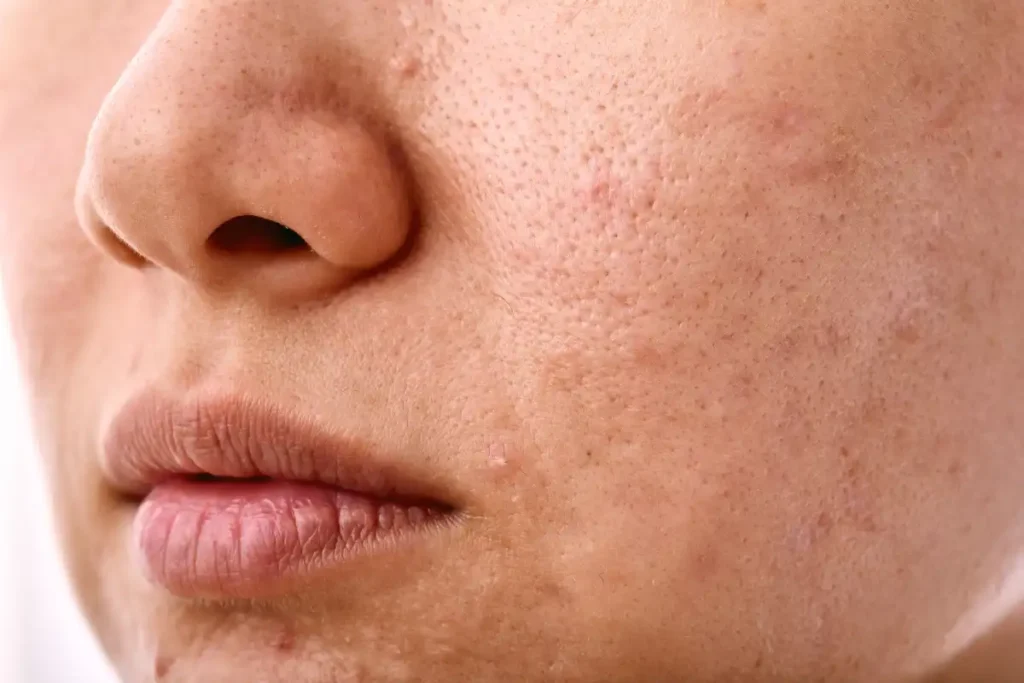
Acne and Breakouts
Although alcohol does not directly cause acne, it creates conditions that increase the likelihood of breakouts. Alcohol disrupts hormone balance, increases inflammation, and weakens the immune system—all factors that can contribute to acne.
Alcohol-related acne issues may stem from:
- Increased cortisol (stress hormone) levels
- Inflammation that clogs pores
- Poor sleep quality affecting skin regeneration
- Dehydration leading to excess oil production
- Nutritional deficiencies that impair skin health
Sugary or high-carbohydrate alcoholic beverages can also spike blood sugar levels, which may further contribute to acne and uneven skin texture.
Get Your Questions Answered
Reach out today to get the answers you need about drug and alcohol detox. Our compassionate team is here to guide you through every step of the process and help you take the first step toward recovery.

Premature Aging and Wrinkles
One of the most significant long-term effects of alcohol on the skin is accelerated aging. Alcohol interferes with collagen and elastin production—two proteins essential for firm, youthful-looking skin.
Signs of premature aging linked to alcohol use include:
- Fine lines and deep wrinkles
- Sagging skin, particularly around the eyes and mouth
- Loss of facial volume
- Uneven skin tone and texture
Chronic alcohol use also increases oxidative stress, which damages skin cells and speeds up the aging process. Over time, these changes can make individuals appear older than their actual age.
Dark Circles and Tired Appearance
Alcohol disrupts sleep cycles and reduces the quality of rest, even if someone sleeps for several hours after drinking. Poor sleep directly affects skin repair and circulation, leading to a tired or worn appearance.
Common facial signs include:
- Dark circles under the eyes
- Hollow or sunken appearance
- Puffy eyelids
- Dull, uneven complexion
Lack of restorative sleep also impairs the skin’s ability to heal and regenerate, compounding other alcohol-related skin issues.
Nutritional Deficiencies and Skin Damage
Chronic alcohol use interferes with the absorption of essential vitamins and minerals that support skin health. Deficiencies in key nutrients can lead to noticeable changes in the face and skin.
Common deficiencies associated with alcohol use include:
- Vitamin A, which supports skin cell turnover
- Vitamin C, essential for collagen production
- B vitamins, which help maintain healthy skin and circulation
- Zinc, important for wound healing and inflammation control
When the body lacks these nutrients, the skin may appear rough, uneven, inflamed, or slow to heal from minor injuries.
Liver Health and Skin Appearance
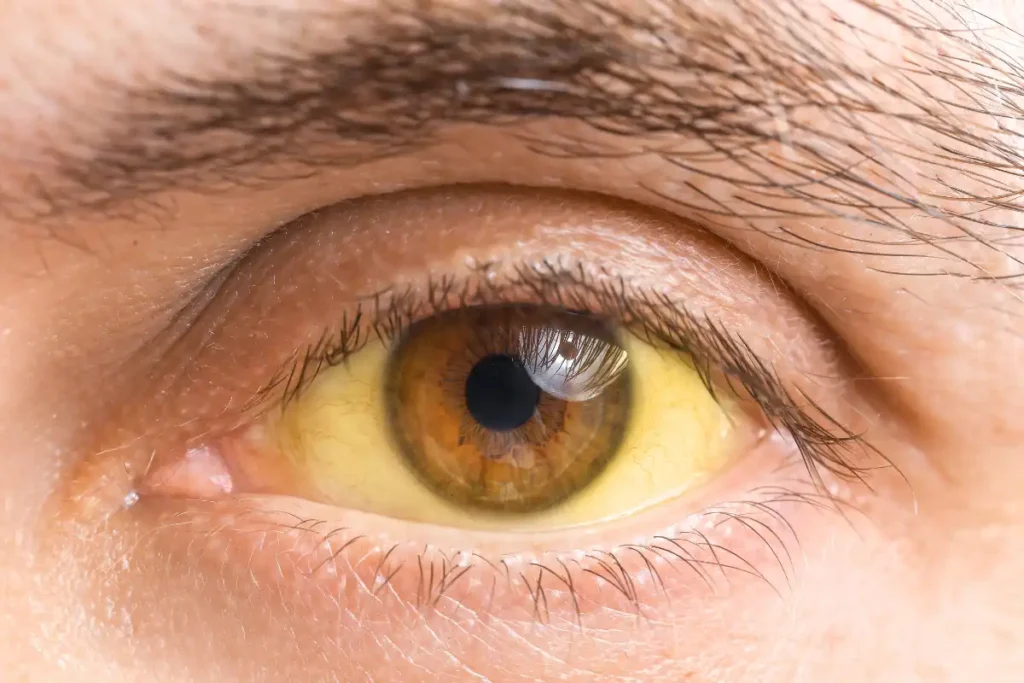
The liver plays a critical role in detoxifying the body. When alcohol overwhelms the liver, toxins can build up in the bloodstream, affecting the skin.
Liver-related skin signs may include:
- Yellowing of the skin or eyes (jaundice)
- Increased itching
- Discoloration or blotchiness
- Spider veins on the face or chest
These symptoms often indicate more serious underlying health concerns and may signal the need for immediate medical attention and treatment.
The Impact of Alcohol on Skin Conditions
For individuals with existing skin conditions, alcohol often exacerbates symptoms. Conditions commonly worsened by alcohol include:
- Eczema
- Psoriasis
- Rosacea
- Hives or chronic itching
Alcohol’s inflammatory effects and immune suppression can trigger flare-ups, making these conditions more difficult to manage without sobriety.
Can the Skin Recover After Quitting Alcohol?
The encouraging news is that many alcohol-related skin changes are at least partially reversible with sustained sobriety. Once alcohol is removed from the equation, the body can begin repairing itself.
Potential improvements after quitting alcohol include:
- Reduced redness and inflammation
- Improved hydration and skin elasticity
- Clearer complexion
- Decreased puffiness
- Healthier skin tone and texture
The timeline for improvement varies depending on factors such as age, overall health, length of alcohol use, and commitment to recovery. For some, noticeable changes may occur within weeks, while others may take months to see significant improvement.
Detox and Treatment as the First Step Toward Healing
While skincare routines and cosmetic treatments may temporarily improve appearance, lasting change begins with addressing alcohol use itself. Medical detox allows the body to safely eliminate alcohol while managing withdrawal symptoms under professional supervision.
At West Coast Detox, clients receive comprehensive care that supports physical stabilization, nutritional restoration, and emotional well-being. Detox is often the first step toward allowing the skin—and the entire body—to begin healing.

Recovery Without Pressing Pause on Life
Many individuals delay seeking treatment because they fear stepping away from work, family responsibilities, or personal commitments. West Coast Detox recognizes these concerns and offers a flexible, modern approach to residential treatment.
By allowing laptops and cell phones, West Coast Detox enables clients to:
- Stay connected with work or business obligations
- Communicate with loved ones
- Manage important responsibilities while in care
- Reduce stress related to stepping away from daily life
This balance allows individuals to focus on recovery without feeling disconnected from their personal or professional world.
Southern California’s Healing Environment
Located in sunny Southern California, West Coast Detox provides a calm and restorative setting that supports healing on every level. Access to natural light, mild weather, and a peaceful environment can positively impact mood, stress levels, and overall well-being—factors that also influence skin health.
Recovery is not just about stopping alcohol use; it is about rebuilding a healthier, more balanced life. Improved physical appearance is often one of the many benefits individuals experience as they progress in sobriety.
Looking Beyond the Surface
Changes in the face and skin caused by alcohol are not merely cosmetic concerns—they are visible indicators of deeper physical and emotional strain. Addressing alcohol use through professional detox and treatment can lead to meaningful improvements not only in appearance but in overall health, confidence, and quality of life.
At West Coast Detox, clients are supported through every stage of the recovery process with compassionate care, medical expertise, and practical flexibility. By choosing treatment, individuals give their bodies—and their skin—the opportunity to heal, renew, and reflect the healthier life they are building in recovery.