Recovery from drug and alcohol addiction is not just about abstaining from substances—it’s about creating a new life rooted in purpose, clarity, and intention. For many individuals, especially in early sobriety, it can be difficult to visualize what that new life looks like. That’s where a vision board becomes a powerful and practical tool.
A vision board is more than a collage of images and quotes—it’s a structured visualization technique that helps translate abstract goals into something tangible and actionable. When used consistently, it can reinforce motivation, strengthen commitment to sobriety, and provide direction during uncertain moments.
At West Coast Detox, located in sunny Southern California, we encourage clients to explore tools that support both immediate recovery and long-term growth. In our pet-friendly and couples-friendly program—where laptops and cell phones are allowed—clients have the flexibility to stay connected to their lives while actively building a healthier future. Vision boarding fits naturally into this approach, offering a bridge between where you are now and where you want to go.
Understanding the Purpose of a Vision Board
A vision board is a visual representation of your goals, values, and aspirations. It can include images, words, affirmations, and symbols that reflect the life you want to build in recovery.
In the context of addiction treatment, a vision board helps:
- Clarify your personal definition of success
- Reinforce your reasons for staying sober
- Shift focus from past behaviors to future possibilities
- Create a sense of direction and structure
Recovery often involves letting go of old identities and habits. A vision board helps fill that space with intention, making it easier to move forward with purpose.
Why Vision Boards Are Effective in Recovery
Vision boards are grounded in principles of cognitive psychology and behavioral change. They work because they engage both emotional and visual processing systems, making goals feel more real and attainable.
Visualization Strengthens Neural Pathways
When you repeatedly visualize a goal, your brain begins to recognize it as achievable. This process can increase confidence and reduce resistance to change.
Positive Reinforcement
Addiction often involves cycles of negative thinking. A vision board redirects attention toward positive outcomes, reinforcing hope and possibility.
Emotional Engagement
Images and words evoke emotional responses, which can deepen your connection to your goals and strengthen your motivation to pursue them.
Consistent Reminders
Seeing your vision board daily keeps your priorities front and center, especially during moments of stress or temptation.
When to Start Creating a Vision Board
There is no strict timeline for creating a vision board, but many individuals find it particularly helpful during:
- Detox or early sobriety
- Residential treatment
- Transition periods, such as returning home or starting a new job
- Moments of reevaluation or goal setting
At West Coast Detox, clients often begin this process during treatment, using the clarity gained from detox to reflect on their future in a meaningful way.
Step-by-Step Guide to Creating a Vision Board
Creating a vision board is both a reflective and creative process. The goal is not perfection, but authenticity.
Step 1: Define Your Recovery Goals
Start by identifying what you want your life to look like in recovery. Consider multiple domains:
- Physical health
- Emotional well-being
- Relationships
- Career or education
- Personal growth
Ask yourself:
- What does a fulfilling, sober life look like to me?
- What do I want to feel on a daily basis?
- What am I working toward?
Write these ideas down before moving to the visual stage.

Step 2: Choose Your Format
You can create either a physical or digital vision board.
Physical boards involve materials like magazines, printed images, and poster boards.
Digital boards can be created using laptops or smartphones, which is especially convenient at West Coast Detox, where clients are allowed to use these devices. Digital boards can be saved as wallpapers, shared with loved ones, or updated easily over time.
Step 3: Gather Visual and Written Elements
Select images, phrases, and symbols that resonate with your goals. These might include:
- Pictures representing health, fitness, or wellness
- Images of meaningful relationships
- Career-related visuals
- Words like “balance,” “freedom,” or “stability”
- Inspirational quotes
The key is to choose elements that feel personally meaningful—not just aesthetically pleasing.
Step 4: Assemble Your Board
Arrange your chosen elements in a way that feels intuitive and inspiring. There’s no right or wrong layout.
Some people prefer organizing their board into sections (health, relationships, career), while others create a more fluid, artistic design.
Focus on creating something that you will want to look at regularly.
Step 5: Place It Where You’ll See It Daily
Visibility is essential for effectiveness.
Place your vision board in a location where you’ll encounter it often, such as:
- Next to your bed
- On your desk
- As your phone or computer background
Frequent exposure reinforces your goals and keeps your recovery top of mind.
Get Your Questions Answered
Reach out today to get the answers you need about drug and alcohol detox. Our compassionate team is here to guide you through every step of the process and help you take the first step toward recovery.
What to Include on a Recovery-Focused Vision Board
Your vision board should reflect the life you are actively building. Common themes include:
Sobriety and Wellness
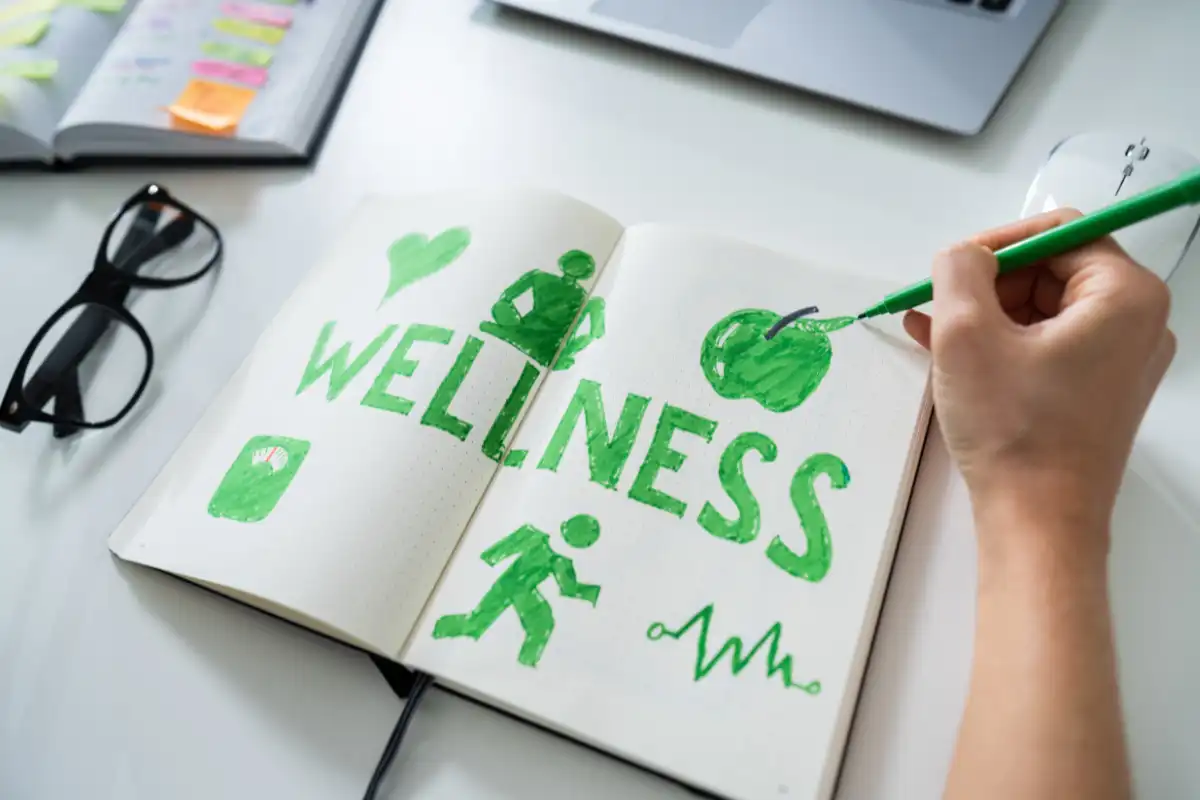
Include images that represent physical health, mental clarity, and emotional balance.
Relationships
Focus on healthy, supportive connections with family, friends, or partners.
Personal Growth
Highlight goals related to education, career advancement, or skill development.
Lifestyle
Visualize the environment and lifestyle you want—whether that’s stability, travel, creativity, or peace.
Emotional States
Incorporate words that reflect how you want to feel, such as “calm,” “confident,” or “fulfilled.”
Using a Vision Board in Daily Recovery
A vision board is most effective when it becomes part of your daily routine.
Consider incorporating it into:
- Morning reflections or goal-setting practices
- Evening check-ins
- Meditation or mindfulness exercises
Take a few moments each day to look at your board and reconnect with your intentions. This practice can help anchor you, especially during stressful or uncertain moments.
Navigating Challenges with a Vision Board
Recovery is not without obstacles. Cravings, triggers, and emotional fluctuations are a normal part of the process.
During challenging moments, your vision board can serve as a grounding tool.
When you feel overwhelmed:
- Pause and focus on your board
- Identify one goal or image that resonates
- Remind yourself why you chose recovery
This simple act can shift your mindset and help you make decisions aligned with your long-term goals.
Vision Boards for Couples in Recovery
West Coast Detox offers a couples-friendly program, allowing partners to heal together. Vision boards can be especially impactful in this context.
Couples can create:
- Individual vision boards to support personal growth
- A shared vision board that reflects mutual goals
This process encourages:
- Open communication
- Alignment of values and priorities
- Strengthening of the relationship
Working toward a shared vision can deepen connection and provide a sense of unity in recovery.
Incorporating Pets into Your Vision
As a pet-friendly program, West Coast Detox understands the powerful role animals play in emotional healing.
Including your pet in your vision board can symbolize:
- Companionship and unconditional support
- Responsibility and routine
- Emotional grounding
For many individuals, their pet represents a key motivation for staying sober and present.
Staying Connected While Building Your Future
One of the unique aspects of West Coast Detox is the ability for clients to use laptops and cell phones during residential treatment.
This flexibility enhances the vision board process by allowing clients to:
- Create and update digital boards in real time
- Research goals and opportunities
- Stay connected with loved ones who are part of their vision
- Maintain involvement in work or personal responsibilities
Rather than stepping away from life entirely, clients can actively shape their future while receiving care.
Revisiting and Evolving Your Vision Board
Recovery is a dynamic process, and your goals may evolve over time.
It’s important to revisit your vision board regularly and make updates as needed:
- Add new goals or aspirations
- Remove elements that no longer resonate
- Reflect on progress and achievements
This ongoing refinement keeps your vision aligned with your growth and reinforces your commitment to change.
The Influence of Environment on Visualization
Your surroundings can significantly impact your ability to reflect and visualize your future.
West Coast Detox, located in Southern California, provides an environment that supports this process through:
- Natural light and comfortable living spaces
- A calm, peaceful atmosphere
- Access to outdoor settings that inspire reflection
These elements make it easier to engage with your vision and stay motivated throughout treatment.

Turning Vision Into Action
While a vision board is a powerful tool, it must be paired with action to be effective.
Think of your board as a roadmap—it shows where you want to go, but you still need to take the steps to get there.
This might include:
- Attending therapy and support groups
- Building healthy routines
- Setting and achieving small, measurable goals
- Staying accountable to your recovery plan
At West Coast Detox, we help clients translate their vision into actionable steps, ensuring that their goals are not only inspiring but achievable.
Long-Term Benefits of Vision Boarding in Recovery
When used consistently, vision boards can provide lasting benefits:
- Increased clarity and focus
- Stronger motivation to maintain sobriety
- Improved emotional resilience
- A greater sense of purpose and direction
Over time, your vision board can become a reflection of your progress, showing how far you’ve come and what you’ve accomplished.
Final Thoughts
Recovery is a journey of transformation—one that requires intention, commitment, and a clear sense of direction. A vision board offers a practical and meaningful way to define that direction, helping you stay focused on the life you want to build.
At West Coast Detox in sunny Southern California, we support clients in creating not just sobriety, but a fulfilling and connected life. In our pet-friendly and couples-friendly environment, with the flexibility of laptop and cell phone use, clients are empowered to stay engaged with their personal and professional lives while focusing on healing.
A vision board is more than a creative exercise—it’s a daily reminder of your goals, your values, and your potential. When combined with the right support and environment, it can become a powerful tool in sustaining long-term recovery and building a future that truly aligns with who you are meant to be.