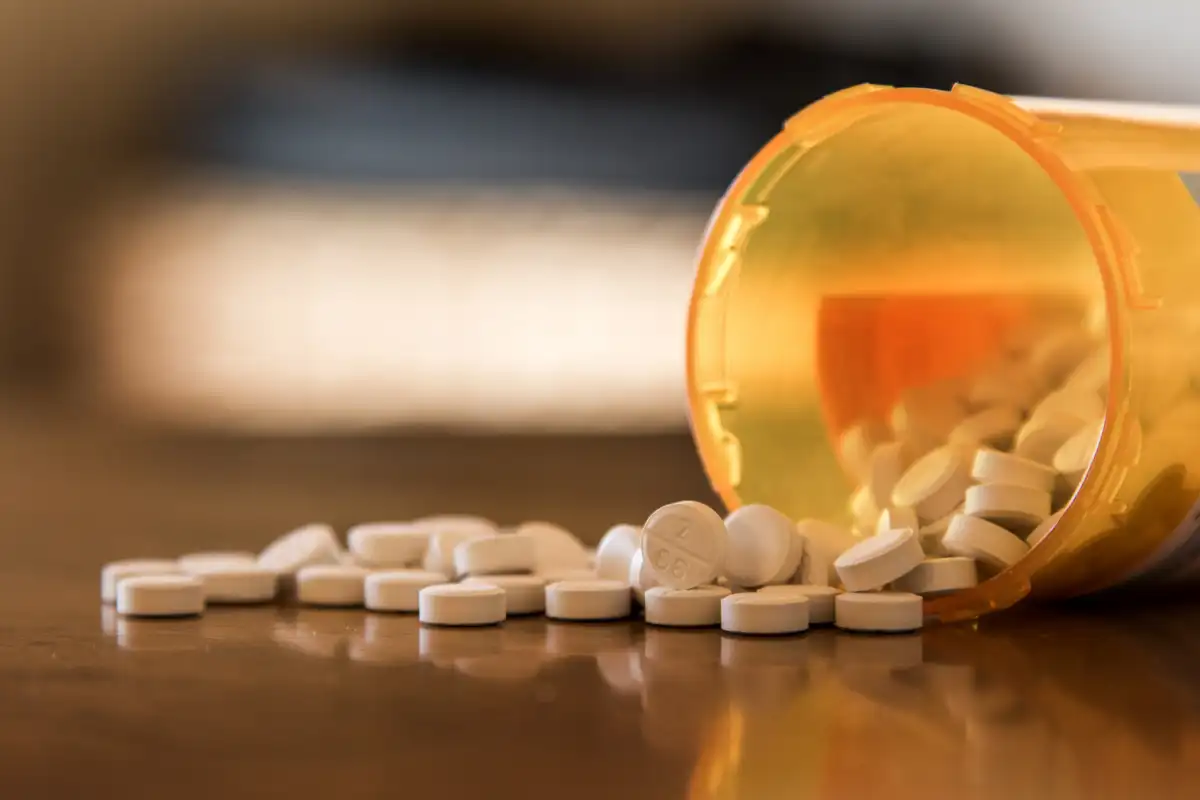
Alcohol withdrawal can be one of the most physically and emotionally challenging stages of recovery. While many people recognize the importance of quitting alcohol, fewer understand that stopping suddenly after prolonged or heavy drinking can lead to dangerous withdrawal symptoms. For this reason, medical alcohol detox is often the safest and most effective first step toward lasting recovery.
At West Coast Detox, a luxury drug and alcohol detox and treatment center in Corona, California, clients receive personalized medical care in a comfortable, private environment designed to support healing from the very beginning. One of the key components of medically supervised alcohol detox is the use of medications that help manage withdrawal symptoms, reduce complications, and make the detox process safer and more comfortable.
In this guide, we’ll explain the medications commonly used during alcohol detox, why they are prescribed, and how they support a successful transition into addiction treatment.
Why Medical Alcohol Detox Is Important
Alcohol affects the central nervous system by slowing brain activity. Over time, the brain adapts to alcohol’s presence and begins relying on it to maintain balance. When alcohol use suddenly stops, the nervous system becomes overactive, leading to withdrawal symptoms that can range from mild discomfort to life-threatening medical emergencies.
Common alcohol withdrawal symptoms include:
- Anxiety and restlessness
- Tremors or shaking
- Sweating
- Nausea and vomiting
- Headaches
- Insomnia
- Elevated heart rate
- High blood pressure
- Hallucinations
- Seizures
- Delirium tremens (DTs)
Because symptoms can worsen rapidly, medical supervision is strongly recommended for anyone with moderate to severe alcohol dependence.
The Goals of Medication During Alcohol Detox
Medications used during alcohol detox are not intended to cure alcohol addiction. Instead, they are designed to:
- Prevent dangerous withdrawal complications
- Reduce withdrawal symptoms
- Improve comfort during detox
- Stabilize physical health
- Lower the risk of seizures
- Prepare clients for ongoing addiction treatment
Each medication plan is individualized based on factors such as:
- Length of alcohol use
- Amount consumed
- Medical history
- Mental health conditions
- Previous withdrawal experiences
- Current symptoms
No two detox experiences are exactly alike, which is why individualized medical care is essential.
Benzodiazepines: The Primary Medication for Alcohol Withdrawal
Benzodiazepines are considered the gold standard for treating alcohol withdrawal. These medications calm the nervous system, helping prevent seizures and reducing the severity of withdrawal symptoms.
Common benzodiazepines used include:
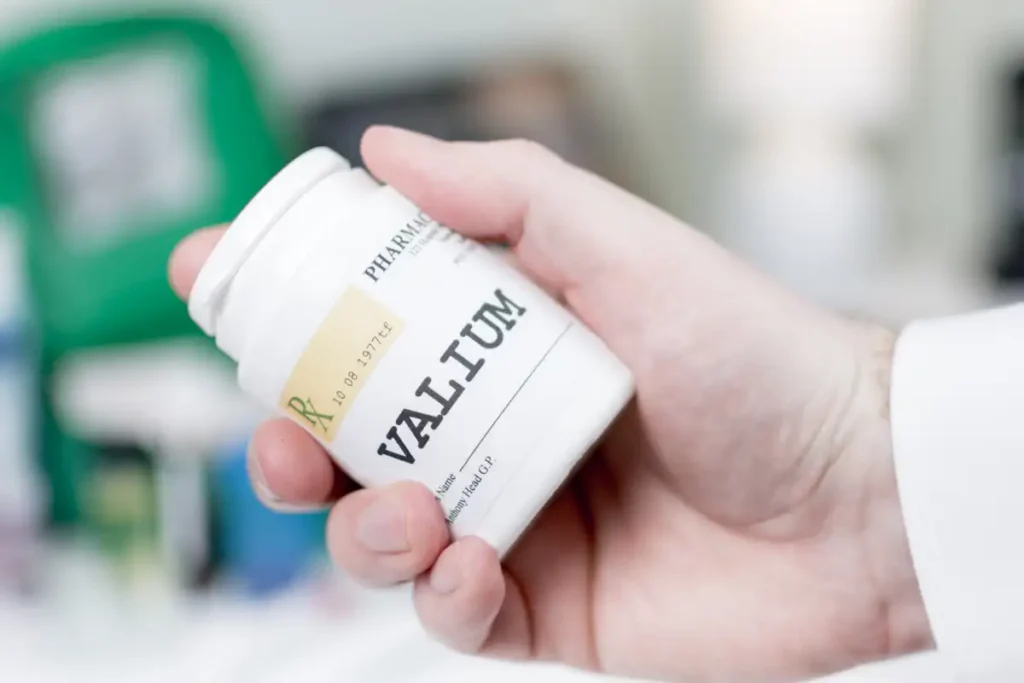
Diazepam (Valium)
Diazepam has a long duration of action, making it effective for preventing severe withdrawal symptoms while allowing medication levels to taper gradually.
Benefits include:
- Reduced anxiety
- Muscle relaxation
- Seizure prevention
- Better sleep during detox
Lorazepam (Ativan)
Lorazepam is often preferred for individuals with liver disease because it places less strain on the liver than some other medications.
It may be used for:
- Moderate to severe withdrawal
- Seizure prevention
- High blood pressure caused by withdrawal
- Severe agitation
Chlordiazepoxide (Librium)
Librium has been widely used in alcohol detox for decades. Its long-acting effects provide steady symptom relief and help minimize fluctuations in withdrawal severity.
It is especially effective for:
- Preventing delirium tremens
- Managing anxiety
- Reducing tremors
- Supporting gradual withdrawal stabilization
Medical professionals carefully monitor dosage throughout detox to avoid over-sedation while ensuring symptoms remain under control.
Anti-Seizure Medications
Although benzodiazepines are highly effective, some individuals may also receive anticonvulsant medications.
Examples include:
- Gabapentin
- Carbamazepine
- Valproic acid (in select cases)
These medications may help:
- Lower seizure risk
- Reduce nerve-related discomfort
- Improve sleep
- Ease anxiety during withdrawal
Not every client requires anticonvulsants, but they can provide additional protection in certain clinical situations.
Medications to Control Blood Pressure and Heart Rate
Alcohol withdrawal frequently causes increased activity within the nervous system, resulting in:
- Elevated heart rate
- High blood pressure
- Sweating
- Tremors
To manage these symptoms, physicians may prescribe medications such as:
Clonidine
Clonidine helps reduce overactivity of the sympathetic nervous system, easing symptoms like:
- Rapid heartbeat
- High blood pressure
- Sweating
- Restlessness
Beta Blockers
Certain beta blockers may also be used to control:
- Elevated blood pressure
- Heart palpitations
- Tremors
These medications improve comfort but do not replace benzodiazepines because they do not prevent seizures.

Vitamins and Nutritional Support
Long-term alcohol use often leads to significant nutritional deficiencies. One of the most critical deficiencies involves vitamin B1 (thiamine).
Thiamine deficiency can contribute to serious neurological complications, including Wernicke’s encephalopathy and Korsakoff syndrome.
During detox, clients often receive:
- Thiamine (Vitamin B1)
- Folic acid
- Multivitamins
- Magnesium
- Electrolytes
- IV fluids when necessary
Restoring proper nutrition helps the brain and body begin healing while reducing the risk of complications.
Get Your Questions Answered
Reach out today to get the answers you need about drug and alcohol detox. Our compassionate team is here to guide you through every step of the process and help you take the first step toward recovery.
Medications for Nausea, Sleep, and Comfort
Withdrawal symptoms often include significant physical discomfort. Supportive medications may be prescribed to improve comfort without interfering with detox.
These may include medications for:
- Nausea and vomiting
- Diarrhea
- Headaches
- Muscle pain
- Insomnia
- Acid reflux
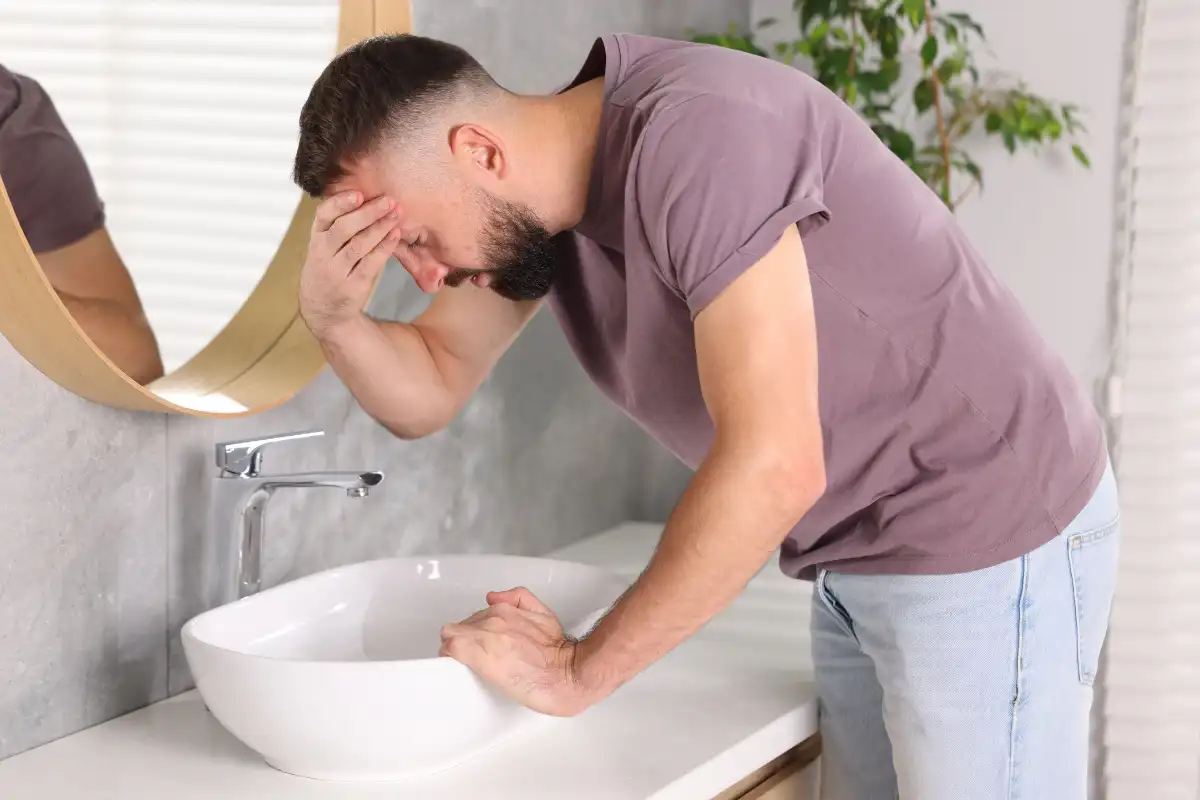
Managing these symptoms helps clients remain comfortable while allowing the body to recover naturally.
Medications Used After Detox to Support Recovery
Once detox is complete, some individuals benefit from medications that help maintain long-term sobriety. These medications are not typically started until withdrawal has stabilized.
Common options include:
Naltrexone
Naltrexone helps reduce alcohol cravings and decreases the rewarding effects of drinking.
Benefits include:
- Reduced cravings
- Lower risk of relapse
- Improved long-term recovery outcomes
Acamprosate
Acamprosate helps restore the brain’s chemical balance after prolonged alcohol use.
It may help:
- Reduce persistent withdrawal symptoms
- Improve emotional stability
- Support long-term abstinence
Disulfiram (Antabuse)
Disulfiram creates unpleasant physical reactions if alcohol is consumed.
These reactions may include:
- Flushing
- Nausea
- Rapid heartbeat
- Vomiting
Because of these effects, Disulfiram serves as a deterrent for drinking and is most effective when combined with ongoing therapy and accountability.
How Long Are Detox Medications Used?
The duration of medication depends on the severity of withdrawal.
In many cases:
- Mild withdrawal may require only a few days of medication.
- Moderate withdrawal often lasts five to seven days.
- Severe withdrawal may require longer monitoring and gradual tapering.
Medical providers continuously assess symptoms and adjust medications throughout detox.
The goal is to use the lowest effective dose for the shortest appropriate duration while maintaining safety and comfort.
Why Detox Should Never Be Attempted Alone
Many people underestimate the dangers of alcohol withdrawal.
Without medical supervision, withdrawal can lead to:
- Severe dehydration
- Dangerous electrolyte imbalances
- Hallucinations
- Seizures
- Delirium tremens
- Cardiac complications
- Death in severe cases
Because symptoms can change quickly, having immediate access to physicians, nurses, and emergency medical care dramatically improves safety.
Medical detox also provides emotional reassurance during one of the most difficult phases of recovery.

Luxury Alcohol Detox at West Coast Detox
Choosing where to begin recovery matters. At West Coast Detox in Corona, CA, clients receive evidence-based medical detox within a peaceful, upscale setting designed to reduce stress and promote healing.
Rather than facing withdrawal alone, clients benefit from compassionate professionals who monitor symptoms around the clock and adjust treatment plans based on each individual’s unique needs.
West Coast Detox provides:
- 24/7 medical supervision
- Personalized detox protocols
- Medication-assisted withdrawal management
By combining expert medical care with luxury amenities, West Coast Detox helps clients begin recovery with safety, dignity, and confidence.
Begin Your Recovery Safely
Alcohol withdrawal is more than simply quitting drinking—it is a complex medical process that requires careful monitoring and individualized care. The medications used during alcohol detox play an essential role in reducing withdrawal symptoms, preventing life-threatening complications, and making the experience as safe and comfortable as possible.
If you or someone you love is struggling with alcohol dependence, professional medical detox can provide the support needed to take the first step toward lasting recovery. At West Coast Detox, our experienced medical team offers compassionate, evidence-based care in a luxurious environment where healing can begin. From medically supervised detox to comprehensive treatment planning, we are committed to helping every client build a healthier, alcohol-free future.