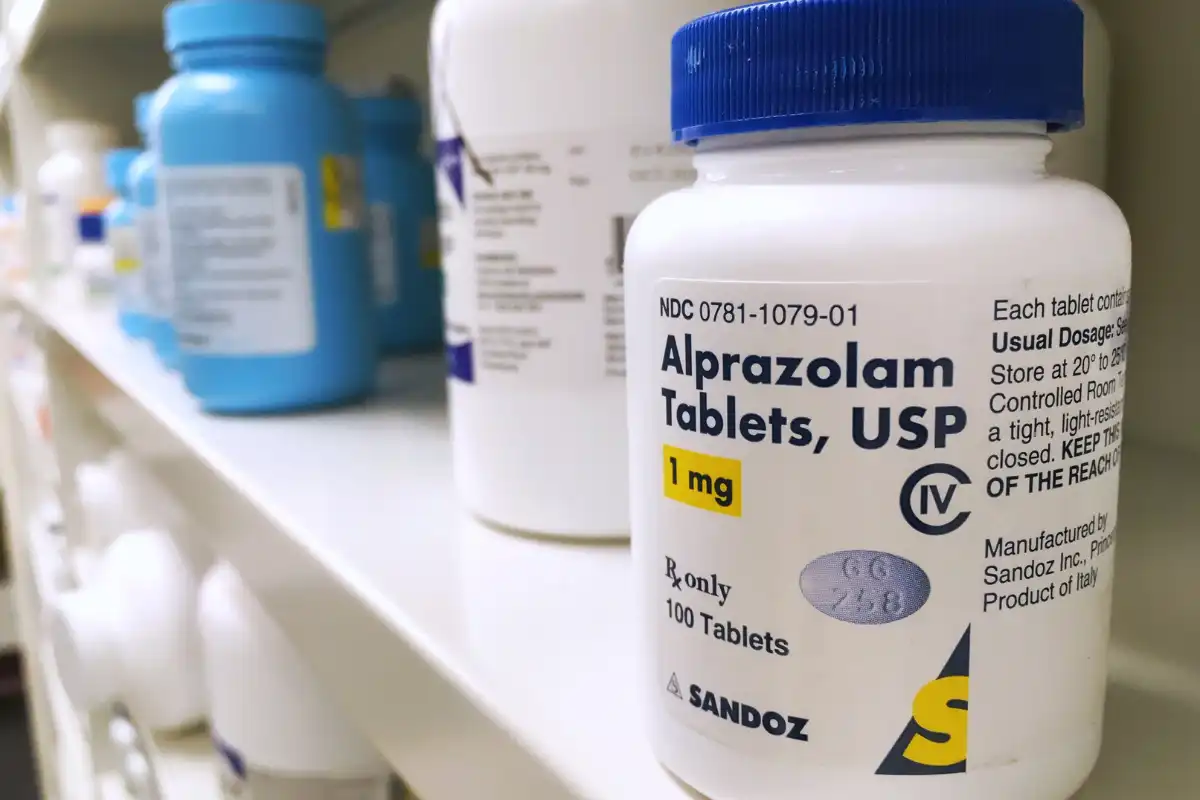
Xanax is one of the most commonly prescribed medications for anxiety and panic disorders in the United States. While it can be highly effective when used short term and exactly as prescribed, Xanax also carries a significant risk for dependence and addiction. Many people begin taking the medication with legitimate medical intentions, only to find themselves struggling to stop using it later. Because Xanax can produce both emotional relief and physical sedation, it has become one of the most widely misused prescription drugs. Over time, the brain and body can quickly adapt to the medication, leading individuals to rely on it not only to manage anxiety but also to function normally on a daily basis.
At West Coast Detox, located in sunny Southern California, we help individuals safely recover from Xanax and other substance dependencies in a supportive and comfortable environment.
As a pet-friendly and couples-friendly treatment program that allows laptops and cell phones during residential rehab, we understand that recovery works best when clients can stay connected to the relationships and responsibilities that matter most while focusing on healing. Understanding why Xanax is so addictive can help individuals recognize the warning signs early and seek treatment before the consequences become more severe.
What Is Xanax?
Xanax is the brand name for alprazolam, a medication in the benzodiazepine class of drugs. Benzodiazepines are central nervous system depressants commonly prescribed to treat:
- Anxiety disorders
- Panic attacks
- Insomnia
- Acute stress symptoms
Xanax works by increasing the activity of gamma-aminobutyric acid (GABA), a neurotransmitter that slows activity in the brain and nervous system.
This creates effects such as:
- Relaxation
- Reduced anxiety
- Sedation
- Muscle relaxation
- Calmness
Because these effects occur relatively quickly, Xanax can provide immediate relief for individuals experiencing overwhelming anxiety or panic symptoms.
Why Xanax Feels So Effective
One reason Xanax can become addictive is because it often works very quickly. Unlike some medications that take weeks to build effectiveness, Xanax can produce calming effects within minutes.
For someone experiencing severe anxiety, panic attacks, or emotional distress, this rapid relief can feel life-changing.
People may begin associating Xanax with:
- Safety
- Emotional escape
- Relief from stress
- Improved sleep
- Temporary emotional stability
The brain quickly learns that taking the drug reduces discomfort, which can reinforce repeated use.
Xanax Changes Brain Chemistry
Xanax affects the brain’s reward and calming systems. With repeated use, the brain begins adapting to the presence of the drug.
Over time:
- Natural calming mechanisms weaken
- The brain becomes dependent on Xanax to regulate anxiety
- Tolerance develops
Tolerance means the original dose no longer produces the same effect, leading some individuals to take larger amounts or use the medication more frequently.
As dependence increases, the body may struggle to function normally without the drug.
Physical Dependence Can Develop Quickly
One of the most concerning aspects of Xanax is how rapidly physical dependence can develop.
Even individuals taking Xanax exactly as prescribed may begin experiencing:
- Increased anxiety between doses
- Sleep disturbances
- Irritability
- Physical discomfort without the medication
At this point, the body has adapted to the drug’s presence.
This does not necessarily mean addiction has developed yet, but dependence can quickly progress into compulsive misuse if not carefully managed.

Xanax Withdrawal Can Be Severe
Another reason Xanax is so addictive is because stopping suddenly can produce intense withdrawal symptoms.
These may include:
- Severe anxiety
- Panic attacks
- Insomnia
- Sweating
- Tremors
- Nausea
- Rapid heart rate
- Seizures in severe cases
Because withdrawal can be both physically and emotionally overwhelming, many individuals continue using Xanax simply to avoid feeling sick or unstable.
This cycle can trap people in ongoing dependence.
At West Coast Detox, medically supervised detox helps individuals taper safely and comfortably under professional care.
The Short Half-Life of Xanax Increases Addiction Risk
Compared to some other benzodiazepines, Xanax has a relatively short half-life. This means the effects wear off more quickly.
As the drug leaves the system, individuals may experience:
- Rebound anxiety
- Cravings
- Emotional instability
- Irritability
This can lead people to take repeated doses throughout the day to maintain relief.
The rapid cycle of relief and withdrawal reinforces compulsive use patterns and increases addiction risk.

Emotional Dependence Often Develops Alongside Physical Dependence
Many people become emotionally dependent on Xanax long before they recognize a problem.
They may begin believing they cannot:
- Handle stress without it
- Sleep without it
- Socialize without it
- Manage emotions without it
This psychological reliance can make quitting feel frightening or impossible, even when someone wants to stop.
Over time, the medication may become a coping mechanism rather than a temporary treatment tool.
Get Your Questions Answered
Reach out today to get the answers you need about drug and alcohol detox. Our compassionate team is here to guide you through every step of the process and help you take the first step toward recovery.
Xanax and Co-Occurring Mental Health Disorders
Xanax addiction often occurs alongside underlying mental health conditions such as:
- Anxiety disorders
- Depression
- Trauma or PTSD
- Panic disorder
In some cases, individuals may misuse Xanax while attempting to self-medicate emotional pain or chronic stress.
Without proper treatment for these underlying issues, stopping Xanax can feel emotionally overwhelming.

At West Coast Detox, dual diagnosis treatment helps clients address both substance use and underlying mental health conditions simultaneously.
Recreational Misuse and Polydrug Use
Although many individuals begin using Xanax through a prescription, others misuse it recreationally.
Xanax is sometimes used to:
- Enhance the effects of alcohol or opioids
- Create sedation or euphoria
- Reduce the “crash” from stimulant drugs
Mixing Xanax with other substances is especially dangerous because it can severely suppress breathing and increase overdose risk.
Combining Xanax with alcohol or opioids is particularly hazardous and can become life-threatening.
Why Addiction Can Escalate Quietly
Unlike some substances that immediately disrupt daily functioning, Xanax addiction can develop subtly.
A person may continue:
- Going to work
- Maintaining relationships
- Handling responsibilities
while gradually increasing dependence behind the scenes.
Because the progression can appear less obvious initially, many individuals do not seek help until the addiction becomes severe.
Signs of Xanax Addiction
Common warning signs include:
- Taking higher doses than prescribed
- Running out of medication early
- Visiting multiple doctors for prescriptions
- Feeling unable to function without Xanax
- Memory problems or blackouts
- Excessive drowsiness
- Isolation or secrecy around use
Loved ones may also notice personality changes, emotional numbness, or increasing withdrawal from daily life.

The Impact on Relationships
Xanax addiction can strain relationships in several ways.
Individuals may become:
- Emotionally disconnected
- Irritable between doses
- Less present or engaged
- Unreliable or forgetful
Trust issues can also develop if prescription misuse or secrecy becomes involved.
At West Coast Detox, our couples-friendly approach recognizes that addiction often affects relationships as deeply as it affects the individual. Healing communication and rebuilding trust can become important parts of the recovery process.
How Xanax Affects Motivation and Daily Life
Long-term Xanax misuse can impact:
- Memory
- Concentration
- Emotional regulation
- Energy levels
- Motivation
Some individuals begin feeling emotionally numb or detached from life altogether.
Activities that once brought enjoyment may feel less meaningful, and daily functioning may increasingly revolve around maintaining access to the drug.
Why Professional Detox Matters
Because Xanax withdrawal can be medically dangerous, detox should never be attempted abruptly or alone.
Professional detox provides:
- Medical supervision
- Gradual tapering when appropriate
- Symptom management
- Emotional support
- Safety and monitoring
At West Coast Detox, clients receive individualized care designed to make the detox process as safe and comfortable as possible.
Creating a Comfortable Recovery Environment
The environment where recovery begins can significantly affect emotional stability and treatment engagement.
At West Coast Detox, clients benefit from:
- Comfortable residential accommodations
- A peaceful Southern California setting
- Individualized treatment planning
- Supportive clinical care
Reducing stress and creating emotional safety can help individuals focus more fully on healing.
Staying Connected During Treatment
One concern many people have about entering rehab is feeling disconnected from work, family, or personal responsibilities.
West Coast Detox allows clients to use laptops and cell phones during residential treatment, which can help reduce this fear.
This flexibility allows individuals to:
- Stay connected to important responsibilities
- Communicate with loved ones
- Maintain aspects of professional life when appropriate
Rather than feeling isolated from reality, clients can begin integrating recovery into everyday life.
The Importance of Treating the Root Causes
Stopping Xanax use is only one part of recovery. Long-term healing also requires addressing the underlying issues that contributed to dependence.
Treatment may include:
- Anxiety management skills
- Trauma therapy
- Stress reduction techniques
- Relapse prevention planning
- Healthy coping strategies
Learning to manage emotions without substances is one of the most important parts of sustainable recovery.
Pets and Emotional Support in Recovery
As a pet-friendly treatment center, West Coast Detox recognizes the emotional comfort animals can provide during recovery.
Pets can help reduce:
- Stress
- Anxiety
- Loneliness
They also encourage routine, companionship, and emotional grounding—all of which support healing during treatment.
For many clients, having access to their pet helps make the recovery process feel more manageable and emotionally supportive.

Recovery Is Possible
Xanax addiction can feel overwhelming, especially when physical dependence and anxiety become intertwined. However, recovery is absolutely possible with the right support and treatment approach.
Many individuals who once believed they could not function without Xanax eventually discover that healing, emotional stability, and peace are achievable without relying on the drug.
Recovery often brings:
- Clearer thinking
- Improved relationships
- Better emotional balance
- Greater physical health
- Renewed confidence and purpose
Final Thoughts
Xanax is highly addictive because it provides rapid relief from anxiety and emotional distress while also altering the brain’s natural calming systems. Over time, physical dependence, emotional reliance, and withdrawal symptoms can create a cycle that becomes difficult to escape alone.
At West Coast Detox in sunny Southern California, we help individuals safely detox from Xanax and begin building healthier, more stable lives. As a pet-friendly and couples-friendly treatment program that allows laptops and cell phones during residential rehab, we provide a supportive environment where clients can stay connected to the people and responsibilities that matter most while focusing on recovery.
Addiction to Xanax does not mean someone is weak or beyond help. It means the brain and body have adapted to a powerful substance. With professional care, compassionate support, and a comprehensive treatment plan, lasting recovery is possible—and a healthier future can begin.