For many people, pets are more than companions—they are family. They provide unconditional love, emotional support, and a sense of stability that can be especially meaningful during difficult times. For individuals navigating recovery from drug and alcohol addiction, the bond with a pet can be a powerful source of comfort and motivation.
But just as humans are affected by changes in routine, stress, and separation, pets can also experience emotional shifts—especially when their owners enter and return from rehab. Whether your pet stayed with family, friends, or was able to be part of your treatment experience, it’s important to recognize that they may need support and reassurance during your transition back home.
At West Coast Detox, located in sunny Southern California, we understand the important role pets play in the recovery journey. As a pet-friendly and couples-friendly program that also allows laptops and cell phones, we aim to create an environment where clients can remain connected to both their loved ones and their daily lives—including their pets. Supporting your pet emotionally after rehab is not only beneficial for them, but it can also strengthen your own recovery.
Understanding How Rehab Affects Your Pet
When you enter treatment, your pet’s routine is often disrupted. Even if they are well cared for, they may still experience:
- Separation anxiety
- Changes in behavior
- Confusion due to altered routines
- Increased clinginess or withdrawal
Pets thrive on consistency. A sudden absence or change in environment can create stress, even if they are in a safe and loving setting.
When you return home, your pet may respond in different ways. Some may be overly excited and attached, while others may seem distant or cautious. Understanding that these reactions are normal is the first step in helping your pet readjust.
The Emotional Bond Between Humans and Pets
The connection between humans and animals is deeply rooted in emotional and psychological benefits. Pets can:
- Reduce stress and anxiety
- Provide companionship and comfort
- Encourage routine and responsibility
- Offer unconditional acceptance
For individuals in recovery, this bond can be especially meaningful. Pets can serve as a reminder of stability, accountability, and love—important elements in maintaining sobriety.
Because of this strong bond, it’s important to approach your reunion with intention and care.
Reestablishing Routine
One of the most effective ways to support your pet emotionally is by reestablishing a consistent routine.
This includes:
- Feeding your pet at the same times each day
- Maintaining regular walks or exercise
- Keeping consistent sleep schedules
- Reintroducing familiar daily activities
Routine provides a sense of safety and predictability for your pet. It also benefits your own recovery by creating structure in your day.
At West Coast Detox, clients begin building structured routines during treatment, making it easier to carry those habits forward once they return home.
Spending Quality Time Together
After a period of separation, your pet will likely crave attention and connection. Spending intentional, quality time together helps rebuild trust and strengthens your bond.
This might include:
- Going for walks or outdoor activities
- Playing with toys or engaging in interactive games
- Sitting together quietly for comfort and reassurance
In Southern California, the environment offers plenty of opportunities for outdoor bonding, from beach walks to local parks. These shared experiences can be both healing and grounding.
Recognizing Signs of Stress in Your Pet
It’s important to be aware of signs that your pet may still be adjusting emotionally. These can include:
- Changes in appetite
- Excessive barking or meowing
- Destructive behavior
- Withdrawal or hiding
- Increased clinginess
If you notice these behaviors, respond with patience and consistency. Avoid punishment, as this can increase anxiety. Instead, focus on reassurance and positive reinforcement.
Providing Reassurance and Stability
Your presence alone can be comforting to your pet, but intentional reassurance goes a long way.
You can provide emotional support by:
- Speaking in a calm, soothing tone
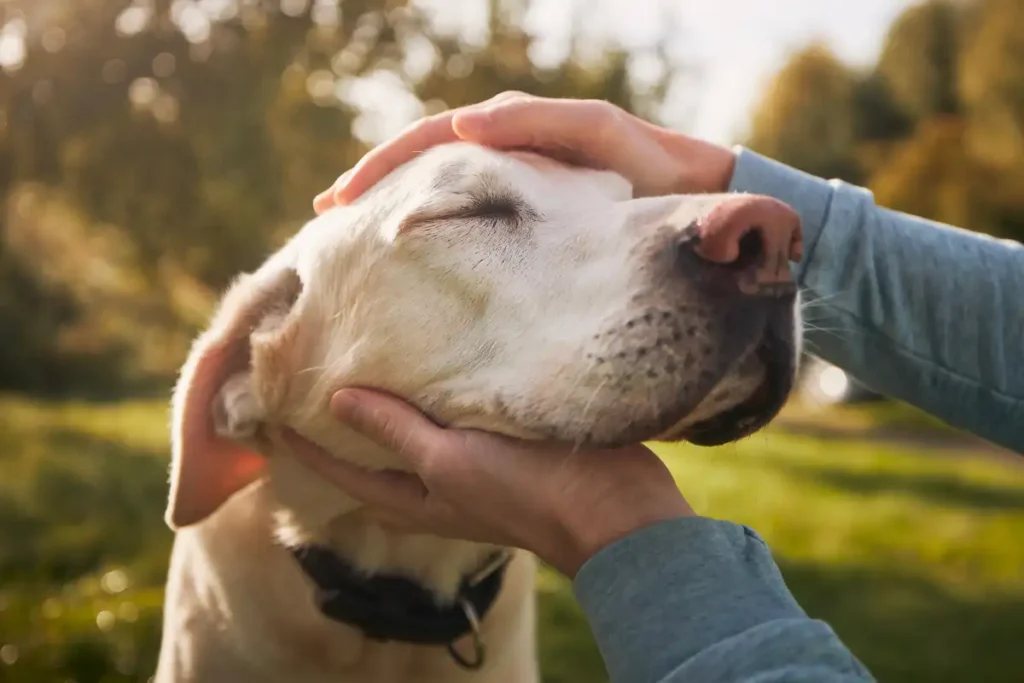
- Offering gentle physical affection
- Maintaining a relaxed demeanor
- Creating a safe, comfortable space for them
Pets are highly attuned to human emotions. As you continue to stabilize in your recovery, your calm and consistent energy will naturally help your pet feel more secure.
Get Your Questions Answered
Reach out today to get the answers you need about drug and alcohol detox. Our compassionate team is here to guide you through every step of the process and help you take the first step toward recovery.

The Importance of Your Own Emotional Stability
Supporting your pet emotionally begins with taking care of yourself. Recovery is a process, and maintaining your own stability allows you to be present and consistent for your pet.
This includes:
- Following your recovery plan
- Attending therapy or support groups
- Managing stress in healthy ways
- Maintaining routines and boundaries
At West Coast Detox, our approach emphasizes both personal healing and real-world integration. By allowing laptops and cell phones during treatment, clients can stay connected to their responsibilities and relationships, making the transition home smoother—for both them and their pets.
Gradual Reintegration
If your pet stayed in a different environment while you were in rehab, the transition back home may require some adjustment.
Consider:
- Allowing your pet time to explore and reacclimate
- Gradually reintroducing routines
- Being patient with behavioral changes
Avoid overwhelming your pet with too much stimulation or change at once. A gradual approach helps reduce stress and supports a smoother transition.
Using Positive Reinforcement
Positive reinforcement is one of the most effective ways to encourage desired behavior and build trust.
Reward your pet with:
- Treats
- Praise
- Affection
when they display calm, positive behaviors. This reinforces a sense of safety and helps them associate your presence with comfort and stability.
Incorporating Your Pet Into Your Recovery Routine
Your pet can become an important part of your ongoing recovery process.
For example:
- Daily walks can serve as both exercise and mindfulness
- Feeding routines can reinforce structure
- Playtime can provide stress relief
These shared activities create a sense of purpose and connection, both of which are valuable in maintaining sobriety.
The Benefits of a Pet-Friendly Treatment Approach
At West Coast Detox, we recognize the therapeutic value of pets. Our pet-friendly program allows clients to bring their companions into treatment, when appropriate.
This approach offers several benefits:
- Reduced separation anxiety for both client and pet
- Emotional support during detox and early recovery
- Increased comfort and familiarity
- Strengthened bond throughout the recovery process
For those who are able to have their pets with them, the transition after rehab is often smoother because the connection has been maintained.
Supporting Pets in Couples Recovery
As a couples-friendly program, West Coast Detox also understands the dynamics of shared responsibility for pets.
When partners return from treatment together, it’s important to:
- Communicate about pet care responsibilities
- Maintain consistency in routines
- Work together to provide a stable environment
This collaborative approach benefits both the relationship and the pet, creating a unified and supportive home environment.
Staying Connected During Treatment
One of the unique aspects of West Coast Detox is the ability for clients to use laptops and cell phones during residential care.
This flexibility allows clients to:
- Check in on their pets through caregivers
- Maintain communication with those caring for their animals
- Stay emotionally connected even while in treatment
By reducing the sense of separation, this approach helps ease the transition for both clients and their pets.
When to Seek Additional Support
In some cases, pets may require additional support to adjust after a significant change.
Consider consulting a veterinarian or animal behaviorist if your pet shows:
- Persistent anxiety
- Aggressive behavior
- Severe changes in eating or sleeping patterns
Professional guidance can provide strategies tailored to your pet’s specific needs.
Building a New Chapter Together
Recovery is about creating a new, healthier life—and your pet is part of that journey. As you rebuild routines, relationships, and priorities, your bond with your pet can become even stronger.
This new chapter may include:
- More consistent time together
- Healthier, more stable routines
- Increased presence and engagement
For many individuals, pets serve as a daily reminder of what they are working toward: a life rooted in connection, responsibility, and care.

The Healing Power of Companionship
The companionship of a pet can be incredibly grounding in recovery. Their presence offers:
- Emotional stability
- A sense of purpose
- Nonjudgmental support
These qualities can help reduce feelings of loneliness and reinforce positive behaviors.
At West Coast Detox, we see firsthand how powerful this connection can be. By integrating pets into the recovery process, clients often feel more supported and motivated.
Final Thoughts
Supporting your pet emotionally after rehab is an important part of transitioning back into everyday life. By providing consistency, patience, and care, you can help your pet adjust while also strengthening your own recovery.
At West Coast Detox in Southern California, we believe that healing extends beyond the individual—it includes the relationships and connections that matter most. As a pet-friendly and couples-friendly program that allows laptops and cell phones, we create an environment where clients can stay connected to their lives while focusing on recovery.
Your pet has been there for you through many of life. Now, as you move forward in sobriety, you have the opportunity to be present for them in a new and meaningful way.
Recovery is about rebuilding—and sometimes, the most powerful connections are the ones waiting for you at home.