
Recovering from alcohol addiction involves more than stopping alcohol use. Long-term recovery often requires learning how to manage stress, difficult emotions, cravings, relationships, and everyday challenges without turning to alcohol.
Developing healthy coping skills for alcohol addiction can help people respond to triggers in healthier ways and build a lifestyle that supports lasting recovery. These skills can be learned and strengthened through professional treatment, therapy, support groups, and consistent daily practice.
For individuals seeking professional support, West Coast Detox is a luxury drug and alcohol detox and treatment center in Corona, CA, offering a supportive environment for individuals beginning their recovery journey.
What Are Coping Skills for Alcohol Addiction?
Coping skills are healthy strategies used to manage difficult emotions, stressful situations, cravings, and other challenges without relying on alcohol or drugs.
For someone struggling with alcohol addiction, drinking may gradually become a primary way of dealing with anxiety, stress, loneliness, anger, sadness, boredom, or emotional pain. Over time, drinking can become an automatic response to uncomfortable situations.
Recovery provides an opportunity to replace those patterns with healthier responses.
Examples of healthy coping skills include:
- Exercising or taking a walk
- Practicing mindfulness or deep breathing
- Talking with a trusted friend or family member
- Attending a recovery support group
- Journaling
- Participating in hobbies
- Maintaining a consistent sleep schedule
- Practicing relaxation techniques
- Working with a therapist
- Avoiding or preparing for high-risk situations
Coping skills do not replace professional addiction treatment. Instead, they can complement medical care, behavioral therapy, peer support, and other components of a comprehensive recovery plan.
1. Identify Your Alcohol Triggers
Learning to recognize personal triggers is one of the most important coping skills for alcohol addiction recovery.
A trigger is something that increases the desire to drink. Triggers can be external, such as a particular location, person, social situation, or time of day. They can also be internal, including emotions, memories, thoughts, or physical sensations.
Consider asking yourself:
- When do I usually experience alcohol cravings?
- What emotions tend to come before drinking?
- Are there certain people or places associated with drinking?
- Do specific times of day make cravings stronger?
- What usually happens immediately before I drink?
Keeping a journal can help reveal patterns. Once you understand your triggers, you can develop a plan for responding to them before they become overwhelming.
2. Learn Healthy Ways to Manage Stress
Stress is a common trigger for alcohol use. While drinking may temporarily change how someone feels, it does not resolve the underlying source of stress and can create additional problems over time.
Healthy stress-management techniques can provide alternatives to drinking.
Try incorporating activities such as:
- Walking outdoors
- Exercise
- Deep breathing
- Meditation
- Stretching
- Reading
- Listening to music
- Creative activities
- Spending time with supportive people
- Taking intentional breaks throughout the day
The goal is not to eliminate every stressful situation. Instead, recovery involves developing the ability to experience stress without automatically responding by drinking.

3. Build a Strong Support System
Recovery does not have to happen alone.
A strong support system can provide encouragement, accountability, and emotional support during difficult moments. Depending on the individual’s needs, this support may come from family members, close friends, therapists, recovery groups, sponsors, or addiction treatment professionals.
It can be helpful to identify several people who can be contacted when cravings or difficult emotions arise.
Support groups may also provide an opportunity to connect with people who understand the challenges associated with addiction and recovery.
At West Coast Detox, individuals can receive professional support in a structured treatment environment while developing practical skills for continued recovery.
4. Develop Strategies for Managing Alcohol Cravings
Alcohol cravings can be difficult, particularly during early recovery. However, experiencing a craving does not mean that you have to act on it.
When a craving occurs, consider taking several steps:
- Identify what triggered the craving.
- Remind yourself why you chose recovery.
- Leave an environment where alcohol is available.
- Contact someone you trust.
- Practice slow, controlled breathing.
- Distract yourself with a healthy activity.
- Give the craving time to pass.
Planning ahead can also make cravings easier to manage. If you know that certain situations are especially challenging, consider how you will respond before entering them.
For example, you might arrange transportation that allows you to leave early, bring a supportive friend, or choose an alcohol-free activity instead.
5. Create a Healthy Daily Routine
Structure can be particularly helpful during early alcohol addiction recovery.
When days lack structure, boredom, isolation, and unplanned exposure to triggers may make recovery more difficult. A consistent routine can create stability and provide opportunities to practice healthy habits.

A recovery-focused routine might include:
- Going to bed and waking up at consistent times
- Eating regular meals
- Exercising
- Attending therapy or recovery meetings
- Scheduling meaningful activities
- Spending time with supportive people
- Setting achievable daily goals
- Making time for relaxation
Your routine does not need to be complicated. Small habits practiced consistently can help create a stronger foundation for recovery.
Get Your Questions Answered
Reach out today to get the answers you need about drug and alcohol detox. Our compassionate team is here to guide you through every step of the process and help you take the first step toward recovery.
6. Replace Drinking With Meaningful Activities
Stopping alcohol use can leave a significant amount of time that previously revolved around drinking.
Finding healthy and meaningful activities can help fill that space while providing opportunities for enjoyment, accomplishment, and connection.
Consider exploring activities such as:
- Hiking
- Swimming
- Cooking
- Photography
- Art
- Music
- Reading
- Gardening
- Exercise
- Volunteering
- Learning a new skill
- Spending time with family and friends
Recovery is not only about removing alcohol. It is also about creating a life in which alcohol no longer needs to play a central role.

7. Learn to Process Difficult Emotions
Some people use alcohol to avoid or numb difficult emotions. Learning to recognize and process emotions is therefore an important part of recovery.
Instead of immediately reacting to anger, sadness, fear, disappointment, or frustration, try identifying what you are feeling and considering what may be contributing to it.
Journaling can help organize thoughts and emotions. Talking with a therapist can provide a safe environment for exploring underlying issues.
Behavioral therapies can also help individuals recognize connections between thoughts, emotions, situations, and drinking behaviors while developing healthier responses.
Professional treatment can be especially valuable when difficult emotions are closely connected to alcohol use.
8. Establish Healthy Boundaries
Relationships and environments can sometimes make alcohol recovery more challenging.
You may need to establish boundaries with people who encourage drinking or temporarily avoid locations and activities where alcohol is the primary focus.
You do not have to provide a lengthy explanation for choosing not to drink.
Simple responses can include:
- “No, thank you.”
- “I’m not drinking.”
- “I’d rather do something else.”
- “I’m focusing on my recovery.”
Practicing these responses ahead of time can make them easier to use when you encounter social pressure.
9. Practice Self-Compassion During Recovery
Recovery is a process. A setback does not mean that someone has failed or that recovery is impossible.
If a person returns to drinking after attempting to stop, it can be helpful to examine what happened without allowing shame to take over.
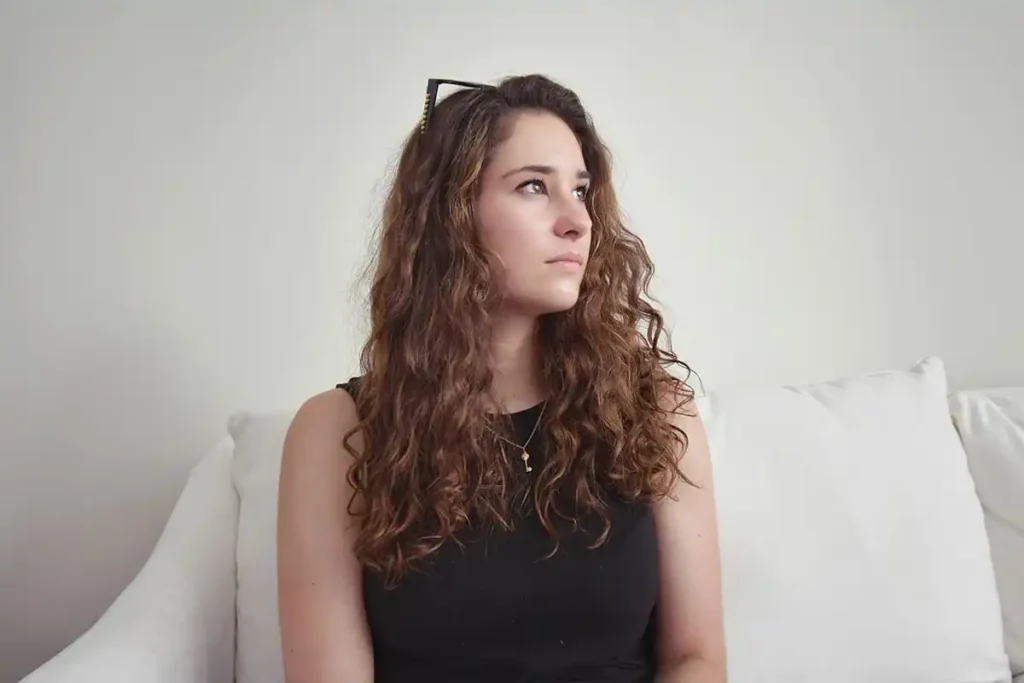
Ask:
What triggered me?
What was happening before I drank?
What could I do differently next time?
Who can I contact for support?
The answers can help identify areas where the recovery plan may need additional support.
Rather than viewing a setback as the end of recovery, it can be an opportunity to identify vulnerabilities and strengthen future coping strategies.
10. Seek Professional Alcohol Addiction Treatment
Healthy coping skills are an important part of recovery, but they may not be enough for everyone.
Alcohol withdrawal can potentially be dangerous, particularly for people who have been drinking heavily or regularly for an extended period. Attempting to stop suddenly without appropriate medical guidance can carry serious risks.
Professional alcohol detox can provide medical monitoring and support during the withdrawal process. After detox, ongoing treatment can address the behavioral, emotional, and psychological factors that contribute to alcohol addiction.
At West Coast Detox in Corona, CA, individuals can begin recovery in a supportive treatment environment designed to address substance use and the challenges that can accompany early recovery.
Treatment may include detoxification followed by a structured level of care where clients can work on recovery skills, identify triggers, address underlying concerns, and develop strategies for maintaining sobriety.
Building a Healthier Life Beyond Alcohol
Learning healthy coping skills for alcohol addiction is about more than learning how to resist a drink. It is about developing healthier ways to respond to stress, emotions, cravings, relationships, and life’s everyday challenges.
Recovery may involve learning to recognize triggers, manage stress, build supportive relationships, establish healthy routines, process difficult emotions, and find activities that provide meaning and enjoyment.
For people searching for alcohol detox in Corona, CA, professional treatment can provide an important starting point. Detox can address the immediate challenges associated with withdrawal, while ongoing treatment can help individuals develop the skills necessary for continued recovery.
Get Help for Alcohol Addiction at West Coast Detox
If alcohol has begun affecting your health, relationships, work, or quality of life, professional support may be an important next step.
West Coast Detox is a luxury drug and alcohol detox and treatment center in Corona, California, providing a supportive setting for individuals beginning treatment for substance use disorders.
Recovery does not have to be faced alone. Contact West Coast Detox to learn more about available alcohol addiction treatment options and take the next step toward a healthier, substance-free future.

Frequently Asked Questions
What are healthy coping skills for alcohol addiction?
Healthy coping skills are strategies that help people manage stress, emotions, cravings, and difficult situations without relying on alcohol. Examples include exercise, mindfulness, journaling, talking with supportive people, therapy, and participating in recovery activities.
How can I cope with alcohol cravings?
You can try identifying the trigger, leaving environments where alcohol is present, contacting someone you trust, practicing breathing exercises, distracting yourself with a healthy activity, and reminding yourself why you chose recovery. Professional treatment can also provide additional strategies for managing cravings.
What is the best way to manage stress without alcohol?
Healthy stress-management strategies can include exercise, walking, meditation, deep breathing, hobbies, adequate sleep, social connection, and professional counseling. Developing several coping strategies can make it easier to manage stressful situations without drinking.
Can coping skills help prevent alcohol relapse?
Coping skills can help people respond to triggers and challenging situations in healthier ways. They are one component of a broader recovery plan that may also include professional treatment, therapy, peer support, medical care, and continuing-care services.
Should I detox from alcohol on my own?
Alcohol withdrawal can be dangerous for some people, particularly after prolonged or heavy drinking. Medical professionals can evaluate withdrawal risks and determine whether supervised detox is appropriate. Anyone concerned about alcohol withdrawal should seek professional medical guidance rather than assuming that stopping suddenly is safe.
Where can I find alcohol detox in Corona, CA?
West Coast Detox provides luxury drug and alcohol detox and treatment services in Corona, California. Individuals and families can contact the center to learn more about treatment options and determine what level of support may be appropriate.