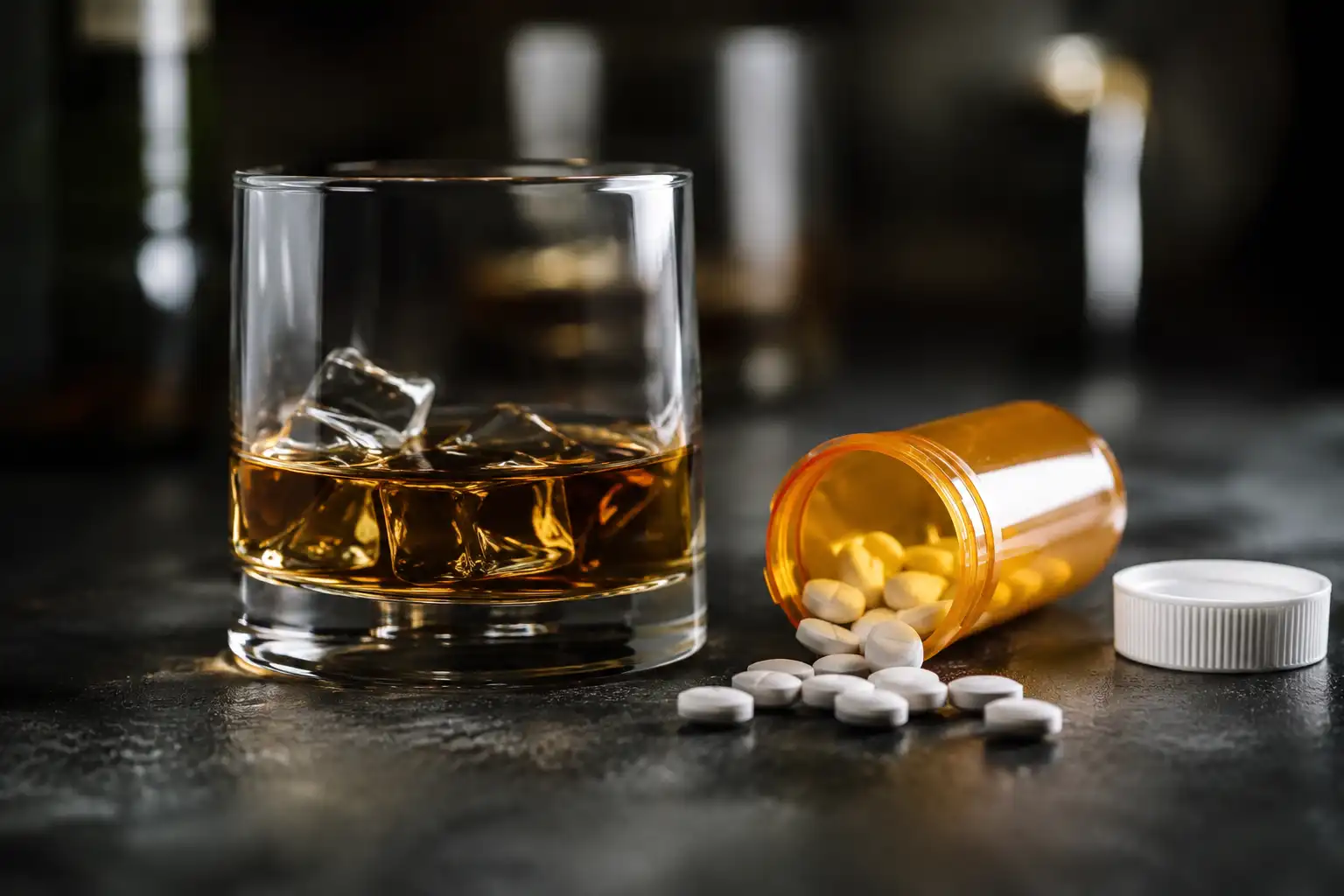
Many people assume that prescription medications are safe because they are prescribed by a healthcare provider. While these medications can be highly effective when taken as directed, combining them with alcohol can quickly turn a legitimate treatment into a dangerous medical emergency.
Whether someone is taking medication for anxiety, pain, depression, sleep problems, or another health condition, alcohol can significantly change how these drugs work in the body. In some cases, the combination may simply increase side effects like dizziness or drowsiness. In others, it can lead to slowed breathing, overdose, organ damage, or even death.
At West Coast Detox, we understand that alcohol misuse and prescription drug dependence often occur together. Our luxury detox center in Corona, California provides medically supervised detox and compassionate care for individuals struggling with alcohol, prescription medications, or both.
Why Mixing Alcohol and Prescription Drugs Is So Dangerous
Alcohol is a central nervous system depressant. It slows communication between the brain and the body, affecting judgment, coordination, breathing, and heart rate.
Many prescription medications also affect the central nervous system or are processed through the liver. When alcohol is introduced, it can:
- Intensify medication side effects
- Reduce the effectiveness of prescribed medications
- Increase the risk of overdose
- Damage the liver or kidneys
- Cause dangerous changes in heart rate and blood pressure
- Lead to impaired thinking and decision-making
Even a small amount of alcohol may be enough to create serious complications depending on the medication involved.
Prescription Drugs That Should Never Be Mixed With Alcohol
Many commonly prescribed medications carry warnings against drinking alcohol. Some of the highest-risk combinations include the following.
Opioid Pain Medications
Prescription opioids such as oxycodone, hydrocodone, morphine, and fentanyl already slow breathing and heart rate. Alcohol magnifies these effects.
Mixing opioids with alcohol can cause:
- Severe drowsiness
- Respiratory depression
- Loss of consciousness
- Coma
- Fatal overdose
This combination is one of the leading causes of accidental overdose deaths.
Benzodiazepines
Medications like Xanax®, Ativan®, Valium®, and Klonopin® are prescribed to treat anxiety, panic disorders, and seizures.
Combining benzodiazepines with alcohol dramatically increases sedation and may cause:
- Extreme confusion
- Poor coordination
- Memory loss
- Difficulty breathing
- Blackouts
- Overdose
Even individuals who have taken these medications safely for years can experience life-threatening effects when alcohol is added.
Sleeping Medications
Prescription sleep aids such as Ambien®, Lunesta®, and Sonata® already reduce brain activity to promote sleep.
When mixed with alcohol, people may experience:
- Dangerous sedation
- Sleepwalking or unusual behaviors
- Accidents and falls
- Respiratory depression
- Loss of consciousness
Many emergency room visits involve people who unknowingly combined sleep medications with alcohol.
Antidepressants
Alcohol can interfere with antidepressants, including SSRIs, SNRIs, MAOIs, and tricyclic antidepressants.
Possible effects include:
- Increased depression
- Worsening anxiety
- Drowsiness
- Poor concentration
- Increased risk of suicidal thoughts
- Dangerous spikes in blood pressure with certain medications
Because alcohol itself is a depressant, it often works against the intended effects of these medications.
Stimulant Medications
Prescription stimulants used to treat ADHD, such as Adderall® or Ritalin®, may seem less risky when combined with alcohol, but they present unique dangers.
Stimulants can mask alcohol intoxication, causing someone to drink far more than they realize. This increases the likelihood of:
- Alcohol poisoning
- Heart rhythm problems
- High blood pressure
- Aggressive behavior
- Risk-taking activities
People may mistakenly believe they are sober while their blood alcohol level continues to rise.
Muscle Relaxants
Muscle relaxants commonly prescribed for injuries or chronic pain can cause sedation on their own.
Adding alcohol increases the likelihood of:
- Falls
- Impaired coordination
- Difficulty breathing
- Extreme fatigue
- Accidental overdose
Warning Signs of a Dangerous Interaction
Someone experiencing a harmful interaction between alcohol and prescription drugs may display symptoms that require immediate medical attention.
Warning signs include:
- Extreme sleepiness
- Confusion or inability to respond
- Slurred speech
- Blue lips or fingertips
- Slow or irregular breathing
- Loss of consciousness
- Seizures
- Vomiting while unconscious
These symptoms should never be ignored. If someone cannot be awakened or has difficulty breathing, call 911 immediately.
Long-Term Health Risks
Even if mixing alcohol and medications does not cause an immediate emergency, repeated use can have serious long-term consequences.
Liver Damage
Both alcohol and many medications are metabolized by the liver. Regularly combining them increases stress on the liver and raises the risk of:
- Fatty liver disease
- Hepatitis
- Liver failure
- Permanent liver damage
Cognitive Impairment
Frequent alcohol and medication interactions can impair memory, attention, and decision-making.
Over time, individuals may experience:
- Difficulty concentrating
- Memory problems
- Slower thinking
- Reduced work performance
- Increased accident risk
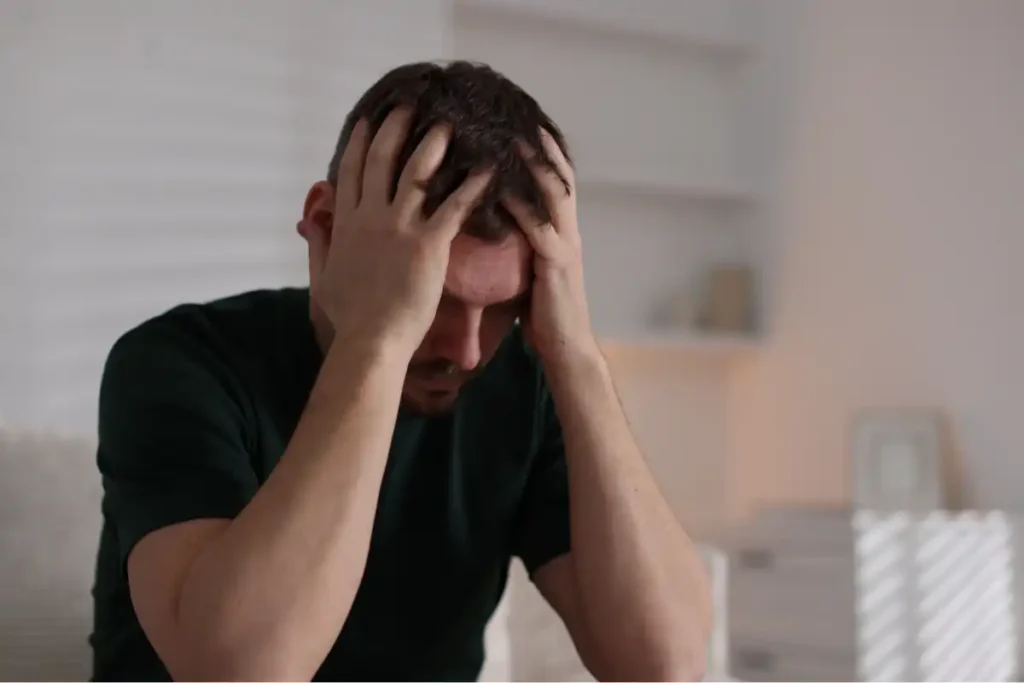
Worsening Mental Health
Many prescription medications are designed to stabilize mood or manage mental health conditions.
Alcohol can reduce their effectiveness and contribute to:
- Depression
- Anxiety
- Panic attacks
- Emotional instability
- Increased suicidal thoughts
This creates a cycle where people drink to cope but ultimately feel worse.
Increased Risk of Addiction
People who misuse alcohol may begin relying more heavily on prescription medications, while those dependent on medications may increase alcohol use to enhance the effects.
Over time, this pattern can develop into co-occurring substance use disorders that require professional treatment.
Get Your Questions Answered
Reach out today to get the answers you need about drug and alcohol detox. Our compassionate team is here to guide you through every step of the process and help you take the first step toward recovery.
Why People Mix Alcohol and Prescription Drugs
Many individuals do not intentionally put themselves at risk.
Common reasons include:
- Not reading medication warning labels
- Assuming moderate drinking is safe
- Wanting to relax or sleep better
- Trying to increase the medication’s effects
- Self-medicating emotional distress
- Social drinking while taking daily prescriptions
Unfortunately, even occasional mixing can produce dangerous outcomes.
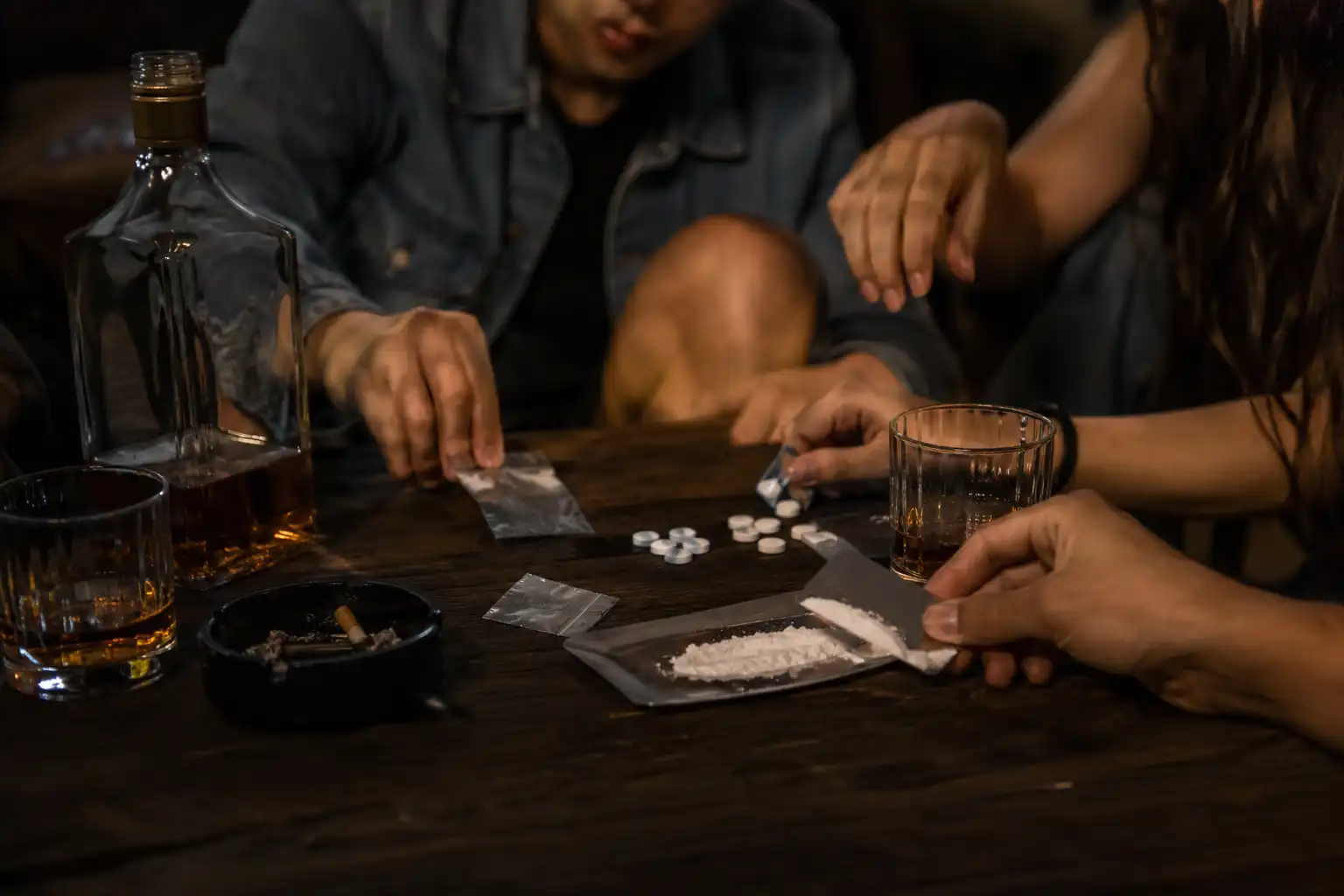
What Happens During an Overdose?
When alcohol and depressant medications are combined, breathing may slow until the brain no longer receives enough oxygen.
An overdose may progress through several stages:
- Extreme drowsiness
- Inability to wake up
- Slow breathing
- Low heart rate
- Blue skin or lips
- Cardiac arrest
- Death
Because alcohol continues to absorb after drinking stops, symptoms may worsen quickly.
Emergency medical care is critical whenever an overdose is suspected.
Can You Stop on Your Own?
Many people assume they can simply stop drinking or stop taking their medication without assistance.
However, abruptly stopping alcohol, benzodiazepines, or certain prescription medications can be dangerous and, in some cases, life-threatening.
Withdrawal symptoms may include:
- Tremors
- Severe anxiety
- Hallucinations
- High blood pressure
- Seizures
- Delirium tremens (DTs)
- Intense cravings
Medical detox provides continuous monitoring and medications that help reduce discomfort while preventing potentially dangerous complications.
How Medical Detox Can Help
Professional detox is often the safest first step for individuals who regularly combine alcohol with prescription medications.
During medically supervised detox, healthcare professionals:
- Perform a comprehensive medical evaluation
- Monitor vital signs around the clock
- Manage withdrawal symptoms safely
- Adjust medications when appropriate
- Treat co-occurring medical and mental health conditions
- Prepare patients for ongoing addiction treatment
Medical supervision significantly reduces the risk of severe withdrawal complications while helping individuals begin recovery in a supportive environment.

Luxury Alcohol and Prescription Drug Detox in Corona, CA
At West Coast Detox, we recognize that every person’s recovery journey is unique. Whether alcohol misuse developed gradually or prescription medications became difficult to control after a legitimate prescription, compassionate treatment can make a lasting difference.
Our luxury detox center provides individualized care in a comfortable, private setting where clients can focus on healing. Our experienced medical team offers 24/7 supervision throughout detox while creating personalized treatment plans that address both substance use and underlying mental health concerns.
Following detox, clients receive guidance for the next stage of recovery through evidence-based therapies, relapse prevention planning, and continued support designed to promote lasting sobriety.
Begin Your Recovery Today
Mixing alcohol and prescription drugs is never worth the risk. What may seem like an occasional drink with medication can quickly become a life-threatening situation or lead to long-term dependence.
If you or someone you love is struggling with alcohol, prescription medications, or both, seeking professional help early can prevent serious health complications and save lives.
At West Coast Detox, our compassionate admissions team is available to answer your questions, discuss treatment options, verify insurance benefits, and help you take the first step toward recovery in a safe, medically supervised environment.
Recovery begins with one decision—and we’re here to help you make it.